New Lizard Species Found in Peru’s Andes
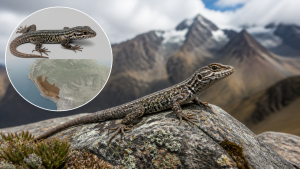
A new lizard species, Liolaemus archipensis, was discovered in the southern Andean region of Arequipa in Peru at an altitude of more than 4,800 metres, or 15,750 feet. The finding was announced in early October 2026 by the Natural History Museum of San Marcos University in Lima.
Taxonomy and Habitat
Liolaemus is a genus of lizards in the family Liolaemidae, which includes many species adapted to high-altitude environments in South America. The new species was recorded in the Peruvian Andes, a major mountain system that forms part of the western edge of South America.
Morphological Features
The species measures between six and eight centimetres in length. Females have square-shaped spots, while males show oblique patterns and white scales that provide camouflage. Sexual dimorphism, or visible differences between males and females of the same species, is common in several reptile groups.
Diet and Scientific Publication
Liolaemus archipensis feeds on plants and small arthropods, including spiders, beetles, true bugs, and insect larvae. The findings were published in the Swiss scientific journal Diversity, which carries research on biodiversity, taxonomy, and ecology.
Important Facts for Exams
- The genus Liolaemus is one of the most species-rich lizard groups in South America.
- Arequipa is a southern region of Peru that includes high Andean terrain.
- Arthropods include insects, spiders, and other invertebrates with jointed legs and exoskeletons.
- Peru’s known lizard species count has reached 296 after this discovery.
Biodiversity Context
Peru is one of the megadiverse countries of the world and contains ecosystems ranging from the Amazon basin to the Andes. The addition of Liolaemus archipensis raises the country’s known lizard species count to 296.
| Related | |
|---|---|