Netherlands Partners with Indian Spice Industry on Sustainability
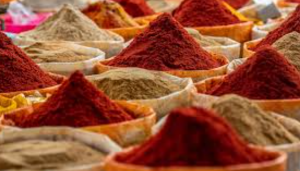
The Netherlands has partnered with the Indian spice industry on sustainability-related cooperation in the spices sector. India is a major global producer, consumer, and exporter of spices, and the Netherlands is a key European trade and logistics hub.
Indian Spices Sector
India grows a wide range of spices, including black pepper, cardamom, cumin, coriander, turmeric, chilli, and ginger. The country has a long history of spice cultivation, processing, and export, and spices form an important part of agricultural trade.
Netherlands and Agricultural Trade
The Netherlands is one of Europe’s largest import and re-export centres for agricultural commodities. Rotterdam Port and the Dutch food-processing ecosystem support trade in herbs, spices, and other agri-products across the European market.
Sustainability in Spice Supply Chains
Sustainability in spice supply chains includes soil health, water use, traceability, residue control, and fair sourcing. Spice exports often require compliance with food safety standards, quality certification, and phytosanitary rules in importing countries.
Important Facts for Exams
- India is among the world’s largest producers of spices.
- The Spices Board of India is the statutory body for the development and worldwide promotion of Indian spices.
- Rotterdam is a major European port for international agricultural trade.
- Turmeric, black pepper, and cardamom are important Indian spice crops.
The spices sector in India includes cultivation, processing, grading, packaging, and export. Food safety and traceability are standard requirements in international spice trade.
| Related | |
|---|---|