Rajya Sabha Reconstitutes Panel of Vice-Chairpersons
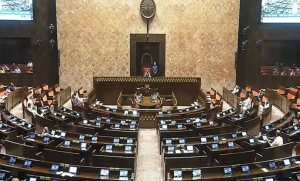
The Rajya Sabha has reconstituted its panel of Vice-Chairpersons, nominating six members from different political parties to preside over the House when required. The announcement was made on April 16, 2026, by Secretary General P. C. Mody, with the new panel coming into effect from April 15. The move reflects the Upper House’s practice of ensuring smooth functioning through a diverse and representative panel.
Composition of the New Panel
The reconstituted panel includes Dinesh Sharma, S. Phangnon Konyak, and Ghanshyam Tiwari from the Bharatiya Janata Party (BJP). Phulo Devi Netam represents the Congress, while M. Thambidurai from the All India Anna Dravida Munnetra Kazhagam (AIADMK) and Sasmit Patra from the Biju Janata Dal (BJD) complete the panel. The inclusion of members from multiple parties reflects a balanced approach in parliamentary functioning.
Role and Responsibilities
Members of the panel are authorised to preside over the proceedings of the Rajya Sabha in the absence of both the Chairman and the Deputy Chairman. While occupying the Chair, they exercise powers similar to that of the presiding officer, including maintaining order, regulating debates, and ensuring adherence to parliamentary rules. Their role is essential for the uninterrupted conduct of legislative business.
Nature of the Position
Unlike the Deputy Chairman, who holds a constitutional position, the Vice-Chairpersons panel is not a permanent office. Members are nominated and serve on a rotational basis as required. This flexible structure allows the House to function efficiently without disruptions during the absence of key presiding अधिकारियों.
Important Facts for Exams
- Rajya Sabha is the Upper House of the Indian Parliament.
- The Chairman of Rajya Sabha is the Vice-President of India.
- Deputy Chairman is elected by members of the Rajya Sabha.
- Panel of Vice-Chairpersons is nominated to ensure continuity of proceedings.
Significance for Parliamentary Functioning
The reconstitution of the panel ensures institutional continuity and procedural efficiency in the Upper House. By enabling multiple members to preside over sessions, the Rajya Sabha maintains flexibility in managing its proceedings. This mechanism plays a vital role in upholding parliamentary decorum and facilitating smooth legislative operations.
| Related | |
|---|---|