National Child Labour Project
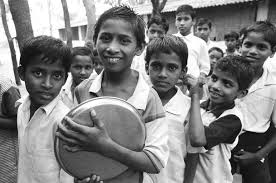
The National Child Labour Project (NCLP) is a targeted initiative aimed at eliminating child labour through rehabilitation, education, and community-based interventions. It functions as a key component of national efforts to protect children from hazardous occupations and ensure their integration into the formal education system. The programme reflects a comprehensive approach that combines rescue operations, transitional education, vocational training, and family support measures to address the socio-economic conditions that contribute to child labour.
Established to reinforce legal safeguards relating to child rights and welfare, the NCLP delivers district-level interventions that prioritise prevention, withdrawal, and rehabilitation of working children, particularly those engaged in hazardous or exploitative conditions.
Background and Evolution
Child labour has been a persistent challenge due to poverty, lack of educational access, socio-cultural barriers, and economic pressures on families. Recognising the need for structured rehabilitation measures, the NCLP was introduced to complement legislative reforms aimed at prohibiting child labour, including laws restricting employment of children below specified ages.
The programme builds upon national commitments relating to universal education, child protection, and social welfare. Its establishment reflects a broader policy framework advocating for the rights of children to safety, development, and education, while addressing the root causes that lead families to depend on children’s income.
Over the years, the NCLP has expanded its reach to multiple districts identified as having high incidences of child labour, thereby aligning programme deployment with areas of greatest need.
Objectives of the Programme
The NCLP aims to provide a structured and supportive pathway for working children to transition towards education and development. Its core objectives include:
- Identifying and rescuing children engaged in labour, especially in hazardous occupations.
- Providing transitional education through special training centres.
- Integrating rehabilitated children into mainstream schools.
- Offering vocational training to older children to support future employability.
- Raising community awareness regarding the legal and developmental harms of child labour.
- Supporting families to prevent children from returning to labour.
These objectives collectively contribute to reducing child labour at the source while ensuring long-term rehabilitation.
Implementation Structure
The NCLP operates primarily through district-level project societies, which coordinate activities under guidance from state and national authorities. Key institutional mechanisms include:
- District Project Societies: Responsible for identifying child labourers, managing special training centres, and overseeing rehabilitation measures.
- Special Training Centres: Designed to provide bridge education, nutrition, vocational training, and healthcare services for rescued children.
- Coordination with Labour Departments: Ensures enforcement of child labour laws and timely rescue operations.
- Collaboration with Education Institutions: Facilitates smooth admission of rehabilitated children into nearby schools.
The programme also engages local organisations, community groups, and civil society partners to support monitoring, awareness, and counselling initiatives.
Identification and Rescue Procedures
District teams, often in coordination with enforcement agencies, identify children engaged in labour through surveys, inspections, and community reports. Priority is given to those working in hazardous industries such as mining, manufacturing, construction, or other environments deemed unsafe for children.
Rescue operations often involve:
- Immediate removal from harmful conditions.
- Medical assessment and psychological counselling.
- Documentation to ensure enrolment in special training centres without delay.
Family assessments are conducted to determine socio-economic needs, ensuring sustained rehabilitation and minimising the risk of re-entry into labour.
Rehabilitation Services
Rehabilitation under the NCLP is centred on holistic development. Services offered at special training centres include:
- Bridge Education: Tailored teaching to bring children academically on par with mainstream school levels.
- Nutrition and Health Care: Provision of meals and periodic health check-ups to support physical well-being.
- Counselling and Psychological Support: Guidance to help children adjust to structured learning environments.
- Vocational Training: For older children, skill-oriented training fosters economic independence and promotes employability.
- Stipend Provision: Financial support is often given to children in training to reduce economic burden on their families.
After completing transitional schooling, children are enrolled in formal educational institutions where they continue their learning with regular support and monitoring.
Community Awareness and Preventive Measures
An essential pillar of the NCLP is prevention through community engagement. Activities organised at the local level include:
- Awareness campaigns on the illegality and harmful effects of child labour.
- Counselling sessions for families facing economic hardship.
- Promotion of school enrolment drives in collaboration with local educational authorities.
- Engagement with employers to discourage the hiring of children and encourage compliance with legal norms.
These measures aim to shift community attitudes and reinforce collective responsibility for child welfare.
Alignment with Legal and Policy Frameworks
The NCLP works in harmony with national acts and policies aimed at child protection, including legislation prohibiting child labour in hazardous occupations and promoting compulsory education. Its objectives complement various child rights and welfare schemes that enhance school enrolment, support vulnerable families, and strengthen institutional responses to exploitation.
Its integration with initiatives supporting nutrition, health, social justice, and skill development ensures that rehabilitation is comprehensive and sustainable.
Impact and Outcomes
The NCLP has contributed to measurable improvements in the identification and withdrawal of child labourers. Examples of outcomes include:
- Increased enrolment of former child labourers into formal schools.
- Significant reduction in child participation in hazardous activities across several districts.
- Greater community awareness of legal provisions relating to child rights.
- Improved collaboration between departments responsible for labour, education, and child welfare.
- Enhanced support for families through linkages with welfare schemes.
The programme’s focus on both rescue and prevention has strengthened its impact in reducing the incidence of child labour over time.
Challenges and Limitations
Several operational challenges continue to influence the effectiveness of the NCLP:
- Uneven implementation across districts, with some areas lacking adequate resources.
- Persistent economic pressures that push families to depend on child income.
- Limited monitoring capacity for large or remote districts.
- Delays in establishing or maintaining special training centres.
- Difficulty in tracking rehabilitated children to ensure long-term retention in schools.
| Related | |
|---|---|