Major African Regional Organizations and Their Roles
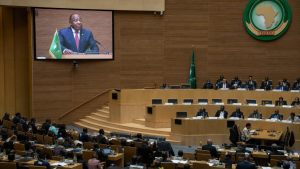
Africa’s regional organisations form the backbone of economic integration, political cooperation and peace-building on the continent. They work alongside the African Union to advance trade, mobility, conflict management and long-term development goals under Agenda 2063.
The African Union (AU)
The African Union, established in 2002 as the successor to the Organisation of African Unity, coordinates continental integration across 55 member states. It sets the broad framework within which regional economic communities operate.
- Rotating Chairperson: President Évariste Ndayishimiye of Burundi serves as the 2026 rotating Chairperson of the AU, having assumed office on February 14, 2026.
- AU Commission: Ambassador Mahmoud Ali Youssouf of Djibouti is the Chairperson of the AU Commission (AUC) for a four-year term, following his March 2025 inauguration.
- Deputy and Parliament: H.E. Selma Malika Haddadi of Algeria is the Deputy Chairperson of the AUC, while Fateh Boutbig of Algeria serves as the President of the Pan-African Parliament (PAP).
- 2026 theme: The AU’s active theme is “Assuring Sustainable Water Availability and Safe Sanitation Systems to Achieve the Goals of Agenda 2063”.
Economic Community of West African States (ECOWAS)
ECOWAS was established in 1975 through the Treaty of Lagos to promote economic integration, regional stability and self-sufficiency in West Africa. It remains one of the most important sub-regional blocs on the continent.
- Political leadership: President Bassirou Diomaye Faye of Senegal serves as the Chairperson of the ECOWAS Authority of Heads of State and Government, succeeding Julius Maada Bio on July 19, 2026.
- Commission leadership: General Birame Diop of Senegal took office as the President of the ECOWAS Commission on September 1, 2026, succeeding Omar Alieu Touray.
- Withdrawal of member states: Mali, Burkina Faso and Niger formally withdrew from ECOWAS on January 29, 2025, following political friction within the bloc.
- Single currency: The launch target for the Eco, the planned single currency for West Africa, remains scheduled for 2027.
Southern African Development Community (SADC)
SADC is an inter-governmental organisation headquartered in Gaborone, Botswana, dedicated to regional integration and poverty eradication in Southern Africa. Its agenda focuses on industrialisation, infrastructure and inclusive development.
- Chairperson: President Cyril Ramaphosa of South Africa serves as the SADC Chairperson, having assumed the chair on August 17, 2026, succeeding Emmerson Mnangagwa of Zimbabwe.
- Other key offices: Ronald Lamola of South Africa is the Chairperson of the SADC Council of Ministers, and Elias Mpedi Magosi of Botswana is the SADC Executive Secretary.
- 2026 theme: SADC’s operational theme for 2026 is “Resilient, sustainable and inclusive industrialisation through Infrastructure Development, Agricultural and Critical Minerals Transformation in Pursuit of a Just World”.
East African Community (EAC)
The EAC, headquartered in Arusha, Tanzania, is one of the fastest-growing regional economic blocs in Africa. It manages a customs union and a common market, making it central to trade and mobility in East Africa.
- Chairperson: President Yoweri Museveni of Uganda serves as the EAC Chairperson, succeeding William Ruto of Kenya on March 7, 2026, for a one-year term.
- Secretariat: Ambassador Stephen Patrick Mbundi of Tanzania serves as the EAC Secretary General, succeeding Veronica Nduva on March 7, 2026, for a five-year term.
- Financial reforms: The EAC instituted reforms granting indebted member states a 50% waiver with a two-year repayment deadline, and shifting East African Legislative Assembly (EALA) members’ salary payments directly to their national parliaments.
- Trade framework: The bloc launched the East African Customs Bond under the Single Customs Territory framework.
- Trade growth: Intra-EAC trade grew from USD 33 billion in 2024 to USD 40.3 billion in 2025.
COMESA and IGAD
COMESA and IGAD play important roles in trade digitisation, economic cooperation and peace-building across Eastern Africa, Southern Africa and the Horn of Africa. Together, they complement the wider AU integration architecture.
- COMESA leadership: Chileshe Mpundu Kapwepwe of Zambia serves as the Secretary General of COMESA.
- Trade digitisation: COMESA is deploying new digital systems for trade document exchange under its Free Trade Area.
- 25th COMESA Summit: The summit is scheduled for October 22, 2026, in Harare, Zimbabwe, under the theme “One Market One Future: Advancing Inclusive Industrialisation & Regional Integration”.
- IGAD Treaty: The 2023 IGAD Treaty entered into force on January 21, 2026, after ratification by Somalia provided the required two-thirds majority of signatures.
- Sudan’s return: Sudan resumed active membership in IGAD in February 2026, leading to the reopening of the Khartoum regional office on July 30, 2026, to support peace-building and reconstruction.
- Refugee coordination: As of June 2026, the IGAD region coordinated refugee assistance policies for more than 5.5 million registered refugees and asylum seekers in the Horn of Africa.
Key Prelims Takeaways
- AU: The African Union is the continental umbrella body, while RECs such as ECOWAS, SADC, EAC, COMESA and IGAD drive integration at the sub-regional level.
- ECOWAS: Founded in 1975 by the Treaty of Lagos, it remains central to West African economic and political coordination.
- SADC: Headquartered in Gaborone, it focuses on regional integration, poverty eradication and industrial transformation.
- EAC: Headquartered in Arusha, it operates a customs union and common market and has recorded rising intra-regional trade.
- COMESA: It is advancing trade digitisation and remains a major market-integration bloc in eastern and southern Africa.
- IGAD: It is significant for peace-building, migration and refugee coordination in the Horn of Africa.
- Agenda 2063: This AU strategic framework is the common long-term development vision guiding African integration efforts.
| Related | |
|---|---|