ISRO Conducts Three Crew Module Tests for Gaganyaan
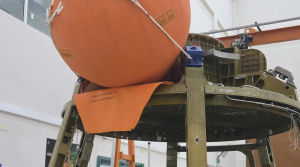
The Indian Space Research Organisation (ISRO) completed three qualification tests for the Gaganyaan Crew Module systems on 12 and 13 July 2026. Gaganyaan is India’s first human spaceflight mission, and the tests covered splashdown recovery, module separation, and structural loads on the crew capsule.
Crew Module Up-righting System
The first test was the Float Inflation Test for the Crew Module Up-righting System (CMUS). CMUS is designed to turn the crew capsule upright after sea splashdown, and it uses cold-gas technology for inflation and stabilisation.
Service Module Connect and Disconnect System
The second test was the Umbilical Separation Test for the Crew Module–Service Module Connect & Disconnect System (CS-CDS). The test demonstrated the separation of the CSU-2 umbilical from a simulated crew module and validated the structural stability of the crew module panel and its interfaces.
Structural Qualification and Apex Cover
The third test was the Crew Module Structural Qualification Test for Apex Cover Separation Loads. The apex cover protects the parachutes, and the test checked the crew module’s structural integrity when the cover is jettisoned.
Important Facts for Exams
- Gaganyaan is India’s first human spaceflight mission.
- CMUS stands for Crew Module Up-righting System.
- CS-CDS stands for Crew Module–Service Module Connect & Disconnect System.
- The apex cover protects the parachutes during the crew module phase of flight.
ISRO subjected the crew module to loads about 1.75 times higher than those expected during actual flight during the apex cover separation test. Measured strain and deformation remained within design limits during the qualification test.
| Related | |
|---|---|