Indian states seek extra power to avoid nighttime outages
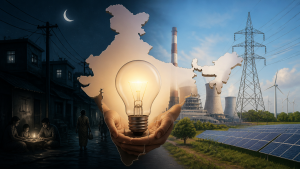
Several Indian states have sought additional electricity allocations from the Union government in October 2026 to prevent night-time power outages. Rajasthan, Gujarat, Maharashtra, Tamil Nadu, Andhra Pradesh, West Bengal, Uttar Pradesh, Chhattisgarh and Delhi are among the states that have sought extra supply amid a tighter power balance.
Electricity allocation in India
Electricity in India is generated through coal, hydropower, gas, nuclear and renewable sources, and the Union government can allocate part of central generating capacity to states. The Centre typically has access to about 14-15 GW of electricity from coal and hydropower plants for allocation during periods of high demand.
Reasons for the supply gap
Hydropower output fell by 20% year-on-year in September 2026 because of lower rainfall linked to El Niño conditions. Maintenance at some coal plants and limited battery storage capacity also reduced the ability to shift daytime solar power to evening and night hours.
Forced outages in coal plants created about 21 GW of unavailable capacity in April 2026. On 25 April 2026, peak demand reached 256 GW and the night-time shortfall was about 4.2 GW.
Demand and shortage data
India’s peak power demand reached 269 GW in September 2026, close to the all-time high of 271 GW recorded in May 2026. Grid-India data placed the electricity shortage at 544 million units in September 2026, compared with 98 million units in August 2026.
Another estimate placed the September 2026 shortage at 560 million kilowatt-hours, which was the highest level since August 2023. Punjab received additional power from the Centre in September 2026 after some areas faced outages of up to 14 hours a day.
Important Facts for Exams
- Grid-India is the national power system operator that monitors electricity demand, supply and grid stability in India.
- Hydropower generation depends on rainfall, reservoir levels and river inflows, and it often falls during weak monsoon conditions.
- Battery storage systems can store surplus solar power during the day and release it during evening peak demand hours.
- Peak power demand refers to the highest electricity load recorded in a day, month or year.
Grid and storage context
India’s renewable energy capacity has expanded rapidly, but storage and thermal backup reliability have not grown at the same pace. Coal plants remain important for meeting evening and night-time demand when solar generation falls to zero.
| Related | |
|---|---|