Indian Railways launches Reform Express freight reforms
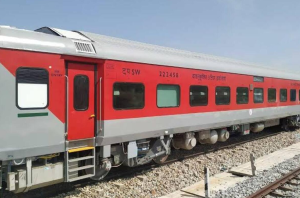
Indian Railways announced eight structural freight reforms under the “Reform Express” initiative on 14 July 2026. The reforms raised the total number of implemented measures to 17 out of a target of 52 reforms in 52 weeks.
Freight transport and containerisation
Freight transport in Indian Railways covers the movement of goods by rail wagons, containers, and specialised rolling stock. The new measures promote containerisation, which is the movement of cargo in standardised containers for easier handling, storage, and transfer. Containerised transport of fly ash in closed containers has replaced the open wagon method. Containerised movement of fertilisers, foodgrains, flour, and pulses is also permitted, and individual containers can be stored at rake points for demand-based distribution.
Licensing and wagon design
Indian Railways introduced a single unified licence system for Container Train Operators, or CTOs, across all routes. The earlier multi-category system has been replaced, and the registration fee has been fixed at ₹25 crore. The reforms also allow private industry and manufacturers to propose specialised wagon designs for specific industrial requirements. Such designs require approval and trials by the Research Designs and Standards Organisation, which is the technical body of Indian Railways for standards, design, and testing.
Tariff, construction, and petroleum logistics
The freight tariff structure for fertilisers and foodgrains has been simplified from a multi-slab system to a per-tonne-per-kilometre rate structure. This pricing method is used in rail freight to calculate charges on the basis of weight and distance. Construction contracting now requires contractors to deposit 10% performance security upfront, and higher eligibility criteria have been introduced for bidders. Indian Railways has also launched the Rail Bhoomi portal for land acquisition. Oil companies can now procure or lease specialised tank wagons for petroleum products and operate them on the Indian Railways network. Tank wagons are rail vehicles designed for liquid cargo such as petroleum, chemicals, and other fluids.
Important Facts for Exams
- Indian Railways is one of the world’s largest rail networks under a single management system.
- Containerisation is widely used in global freight transport for standardised cargo handling.
- The Research Designs and Standards Organisation functions as the standards and design authority for Indian Railways.
- Freight tariffs in railways are commonly linked to weight, distance, commodity type, and wagon class.
Rail freight in India
Rail freight is a major component of India’s logistics system and is used for coal, fertilisers, foodgrains, cement, petroleum products, and industrial goods. The “Reform Express” measures are part of the 2026 freight reform programme announced for Indian Railways.
| Related | |
|---|---|