
India Launches Hub-and-Spoke Aviation Model
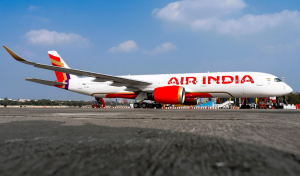
India launched a hub-and-spoke aviation model on 25 June 2026 to improve international air connectivity from Tier-2 and Tier-3 cities. The first service under this framework began from Varanasi and connected passengers to international destinations via New Delhi on an Air India Easy Connect flight.
Hub-and-Spoke Aviation Model
The hub-and-spoke model is an air transport network in which smaller airports function as spokes and major airports function as hubs. In this system, passengers from spoke cities can complete immigration and baggage formalities at the origin airport before transiting through a hub airport.
Operational Features of the New Network
The hubs identified for this model include Delhi, Mumbai, Bengaluru and Hyderabad. The government plans to add six more destinations within six weeks, and the framework is expected to cover 30 airports, including Nagpur.
India’s Aviation Network and Transit Pattern
The model is designed to route international transit traffic through domestic hubs instead of foreign airports. India has used major metro airports such as Delhi and Mumbai as large transfer points in domestic and international aviation traffic.
Important Facts for Exams
- Varanasi is one of India’s oldest continuously inhabited cities and a major air travel centre in Uttar Pradesh.
- Immigration is the process of checking a passenger’s entry documents at an airport or border point.
- Baggage formalities include check-in, transfer and security procedures for passenger luggage.
- Hub-and-spoke networks are used in civil aviation, logistics and telecommunications.
Long-Term Aviation Targets
India has set a target of becoming a global aviation hub by 2047. The stated long-term projections for this strategy include about 16 million direct and indirect jobs and nearly USD 1.4 trillion in economic contribution by 2047.
| Related | |
|---|---|


