Important Constitutional Systems of Japan
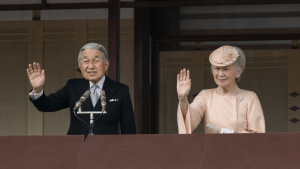
Constitutional Framework of Japan
Japan operates under a unitary parliamentary representative democratic system governed by the post-war Constitution of 1947. The constitutional order retains the Chrysanthemum Throne, but the Emperor functions only as a symbol of the State and the unity of the People. Sovereignty rests with the citizens.
The Constitutional Status of the Japanese Emperor
The post-war Constitution fundamentally changed the legal position of the Emperor. Under Article 1, the Emperor is a symbol of the State and of the unity of the People, unlike the Meiji Constitution of 1889, under which imperial authority was supreme.
- Symbolic role: The Emperor has no governing power or military command.
- Acts of state: The Emperor performs only designated constitutional functions.
- Prime Minister appointment: The Emperor appoints the Prime Minister as designated by the Diet.
- Post-war shift: Sovereign power moved from the throne to the people under the 1947 Constitution.
National Diet and Executive Authority
Japan’s parliamentary system places the legislature at the centre of state power. The National Diet is the sole law-making organ of the state and consists of two houses: the House of Representatives and the House of Councillors.
- Bicameral legislature: The Diet has the House of Representatives and the House of Councillors.
- Cabinet system: Executive authority is vested in the Cabinet.
- Prime Minister: The Cabinet is headed by the Prime Minister.
- Confidence rule: The Cabinet must retain the confidence of the House of Representatives.
- Equality clause: Article 14 prohibits discrimination based on race, creed, sex, social status, or family origin.
Imperial House Law of 1947
The Imperial House Law is Japan’s principal statute on imperial succession, royal status, and membership of the imperial family. It was enacted on May 3, 1947, alongside the Constitution, and has governed the imperial household since the post-war settlement.
- Core subjects: Succession to the Chrysanthemum Throne, imperial family membership, royal marriages, and regency.
- Post-war change: 11 imperial branch families lost royal status in October 1947 and became commoners.
- Original rule: Succession was restricted to the male line.
- Female status: Female imperial members lost imperial status upon marrying commoners under the original framework.
2026 Amendments and Succession Rules
Japan’s Diet approved amendments to the Imperial House Law on July 17, 2026, after passage in the House of Representatives on July 10, 2026. This is the first substantive revision of the law since it came into force in 1947, and it is scheduled to take effect on October 24, 2026.
- Female imperial members: Women holding the ranks of naishinnō or joō may retain imperial status after marrying commoners.
- Family status: Their spouses and children remain commoners and do not enter the imperial family.
- Transitional provision: The five current unmarried female members, including Princess Aiko, may choose to leave the imperial family upon marriage.
- Adoption provision: Princes and princesses, excluding the Crown Prince and Crown Princess, may adopt male paternal-line descendants from the 11 former branch families.
- Eligibility for adoption: Candidates must be unmarried, childless, and at least 15 years old.
- Succession effect: Adopted males do not get direct succession rights, but their legitimate male paternal-line descendants may succeed.
- Order of succession: The succession order among eligible descendants follows natural birth order.
The revised law preserves male-only succession to the Chrysanthemum Throne while allowing limited measures to maintain the size of the imperial family.
Key Prelims Takeaways
- Constitutional symbol: Under Article 1, the Emperor is only the symbol of the State and unity of the People.
- Sovereignty: Sovereignty rests with the people, not the Emperor.
- Legislature: The National Diet is the sole law-making organ and is bicameral.
- Executive: Executive power lies with the Cabinet headed by the Prime Minister.
- Imperial House Law: Enacted on May 3, 1947, it governs succession and imperial membership.
- 2026 reform: The Diet approved the first substantive amendment to the law on July 17, 2026.
- Current heirs: Japan’s imperial family has 16 members, with only three eligible heirs: Crown Prince Fumihito, Prince Hisahito, and Prince Hitachi.
Recent Context
Japan’s National Diet approved changes to the Imperial House Law in July 2026 to preserve male-only succession while easing pressures from the shrinking imperial family. Prime Minister Sanae Takaichi backed the revision, and the Cabinet Legislation Bureau clarified that the adoption provisions do not violate Article 14 because the system is linked to family-origin rules under the imperial framework.
| Related | |
|---|---|