Page-6 of GS-IV: Ethics, Integrity, and Aptitude
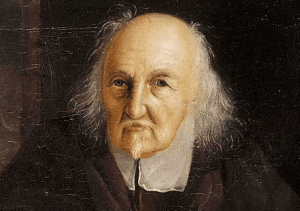
Thomas Hobbes Psychological Egoism
Psychological egoism is the position that we always do that act that we perceive to be in our own best self-interest. That is, we have no choice but...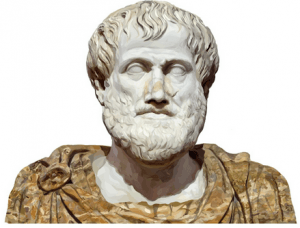
Aristotle’s Concept of Good Life
Aristotle’s understanding of “ethics” has more to do with what makes life worth living than with obedience to the moral law. Aristotle refers to the rational activity that...
Plato’s cardinal virtues
According to the old Greek thinkers, there are in all seven virtues of which four are called Cardinal Virtues while rest three are called Theological virtues. The “Cardinal”...Elements of Ethical Competency
A public servant needs to be ethically competent. An ethically competent public servant has commitment to high standards of personal and professional behaviour; has knowledge of relevant ethics,...Approaches to Ethical Decision Making
To arrive at ethical decisions during complex situations, the various dimensions to study of ethics are helpful. Such dimensions include Utilitarian approach, Rights approach, Justice Approach, Common Good...Ethical Foundation of Human Actions
There are two main groups of ethical theories of human actions viz. deontological approach {based on human action itself} and teleological approach {based on consequences of human actions}....Dimensions / Branches of Ethics
The four main branches of ethics include descriptive ethics, normative ethics, meta-ethics and applied ethics. They have been discussed in brief here: Descriptive Ethics Descriptive ethics deals with...