Beauty Pageants, Women’s Empowerment and Social Causes
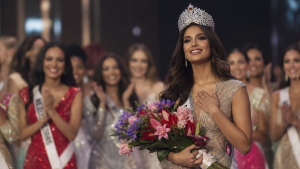
Modern international beauty pageants have moved beyond appearance-based judging and are now built around leadership, advocacy, and social impact. With relaxed eligibility rules and stronger community mandates, these platforms increasingly function as global stages for women’s empowerment and public service.
Evolution of Global Eligibility Frameworks
Over the past decade, major international pageants have revised their participation rules to align with changing ideas of gender equality and professional opportunity. The focus has shifted from marital status and body measurements to public speaking, leadership, and service-oriented work.
- Miss Universe rule changes: In 2023, the Miss Universe Organization expanded eligibility to include married, divorced, pregnant, and parenting women.
- Age limit removed: In 2024, the organization removed its upper age limit of 28, making all adult women above 18 eligible.
- Broader evaluation: Contestants are now assessed on leadership, communication skills, and social service initiatives.
- Advocacy role: Participants are increasingly treated as brand ambassadors and social advocates rather than only as performers on stage.
- Philanthropic expectation: Many delegates now manage independent charitable projects and community campaigns linked to social causes.
The Big Four Pageants and Social Mandates
The international pageantry landscape is dominated by four major events, popularly known as the Big Four. Each has a distinct advocacy focus and strong global visibility, which helps amplify its social message.
| Pageant Name | Founded | Headquarters | Core Advocacy Focus |
| Miss World | 1951 | London, United Kingdom | Humanitarian causes (“Beauty with a Purpose”) |
| Miss Universe | 1952 | United States / Mexico | Inclusivity, leadership, and humanitarian work |
| Miss International | 1960 | Tokyo, Japan | World peace, goodwill, and international relations |
| Miss Earth | 2001 | Manila, Philippines | Environmental protection and conservation |
- Beauty with a Purpose: Miss World’s humanitarian programme, created under Julia Morley, supports projects run by contestants in their home countries.
- Miss International mandate: Contestants are styled as “Ambassadors of Peace and Beauty” and work with international bodies on children’s welfare and related causes.
- Miss Earth focus: Delegates promote environmental campaigns, tree plantation drives, and sustainable waste management.
- National-level impact: Pageant systems often require local charity and service campaigns before contestants advance to international finals.
India’s Historical Legacy in Pageantry
India has had a strong presence in international pageants and has used these platforms to highlight health, education, sanitation, and women’s welfare. Several Indian winners have also turned their crown-related visibility toward social work.
- Reita Faria: She became the first Indian and Asian woman to win Miss World in 1966. She later completed her medical degree and chose medicine over films.
- Double victory in 1994: Sushmita Sen won Miss Universe and Aishwarya Rai won Miss World, bringing India rare success in both competitions in the same year.
- Double victory in 2000: Lara Dutta won Miss Universe and Priyanka Chopra won Miss World, repeating the feat for India.
- Nicole Faria: She became India’s first Miss Earth in 2010 and highlighted water conservation and solar energy.
- Manushi Chhillar: Miss World 2017, she gained attention for Project Shakti, which focused on menstrual hygiene awareness.
- India’s Miss World record: India has won six Miss World titles in total, making it one of the most successful countries in the pageant.
Women’s Empowerment and Social Causes
Today’s pageants are designed to project women as leaders, professionals, and changemakers. The shift has widened participation and strengthened the social relevance of these competitions.
- Inclusivity: The removal of marriage and age barriers has expanded participation for mothers, married women, and older professionals.
- Professional identity: Contestants may now be doctors, educators, entrepreneurs, activists, or community workers.
- Public advocacy: Pageant winners are expected to speak on issues such as health, education, environment, and social equality.
- Local to global link: Many national titleholders build service projects that later gain international visibility through the main pageant.
- Cause-based branding: The crown is increasingly linked to measurable social work rather than only glamour or stage performance.
Key Prelims Takeaways
- Miss World: Founded in 1951; the oldest of the Big Four pageants.
- Miss Universe: Founded in 1952; removed its upper age limit in 2024.
- Miss Universe eligibility: Since 2023, married, divorced, pregnant, and parenting women have been eligible.
- Big Four: Miss World, Miss Universe, Miss International, and Miss Earth.
- Reita Faria: First Indian and Asian Miss World winner in 1966, and a medical practitioner.
- India’s rare double wins: 1994 and 2000 saw Indian winners in both Miss Universe and Miss World.
- Miss Earth: Founded in 2001 with an environmental conservation focus.
| Related | |
|---|---|