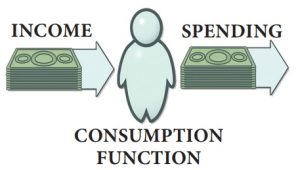
Consumption in economics refers to the use of goods and services by households and individuals to satisfy their wants and needs. It constitutes a fundamental component of economic...
Consumption refers to the use of goods and services by households to satisfy their needs and wants. It is a key component of economic activity and an essential...
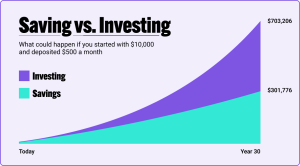
The saving–investment ratio is a fundamental macroeconomic indicator that measures the balance between a nation’s savings and its investments. It signifies how much of the national income is...
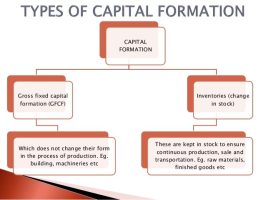
Gross Capital Formation (GCF) refers to the total value of a nation’s investment in physical assets, inventories, and valuables within a given period. In India, GCF serves as...
Gross Domestic Saving (GDS) represents the total amount of income that an economy sets aside rather than spends on consumption during a given financial year. It reflects the...
Gross Domestic Savings (GDS) is the amount of money that remains after consumption from the Gross Domestic Product (GDP). In simple terms, it is the amount of money...
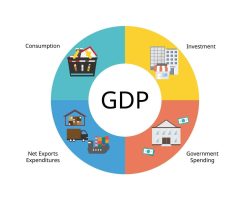
Gross Domestic Product (GDP) is the total monetary value of all final goods and services produced within a country’s borders during a specific period, usually a financial year....
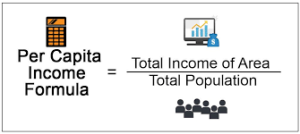
Per Capita Income (PCI) is a key economic indicator that measures the average income earned per person in a particular region, country, or territory over a specified period,...
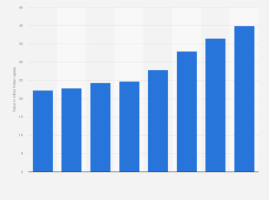
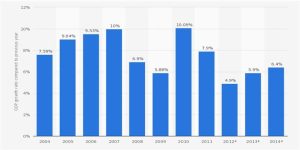
The following graphics shows the NNP of our country for last few years. Net Domestic Product at Factor Cost NDP_FCThe estimation of the net value added at the...
Net Domestic Product (NDP) and Net National Product (NNP) are two closely related indicators in national income accounting that measure a country’s economic performance after accounting for depreciation....
The Gross National Product (GNP) of India represents the total market value of all final goods and services produced by the residents of the country in a given...
India’s Gross Domestic Product (GDP) at factor cost represents the total value of all goods and services produced within the country’s geographical boundaries, evaluated at the cost incurred...