Wadda Gurdwara Sahib Reopens After Restoration
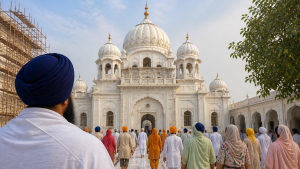
Wadda Gurdwara Sahib in Penang, Malaysia, reopened in September 2026 after extensive conservation and restoration work. The 125-year-old Sikh gurdwara was established in 1901 and is recognised as the oldest and largest Sikh temple in Southeast Asia. It is listed as a Category One heritage building.
Historical Background
Wadda Gurdwara Sahib was established in 1901 in Penang, a state on the north-western coast of Peninsular Malaysia. The gurdwara completed 125 years in 2026, which coincided with its reopening after restoration.
Restoration Features
The restoration project cost about RM6 million and aimed to preserve the original heritage appearance of the building. Traditional lime mortar was used in place of modern cement, and a large dome was brought from Amritsar in India. About seven specialist artisans from Tamil Nadu worked on the decorative sculpture and detailing.
Religious and Administrative Details
Akal Takht acting jathedar Giani Kuldeep Singh Gargaj performed the Prakash of Guru Granth Sahib during Amrit Vela at the gurdwara. A special function was organised jointly by the gurdwara management committee and the Penang state government, and it was attended by Malaysian federal minister Steven Sim and Penang deputy chief minister-II Jagdeep Singh Deo.
Important Facts for Exams
- Guru Granth Sahib is the central religious scripture of Sikhism.
- A gurdwara is a Sikh place of worship and community gathering.
- Akal Takht is one of the five takhts in Sikhism and is located in Amritsar, Punjab.
- Penang is one of the most historically important states in Malaysia for Indian diaspora heritage.
Heritage Significance
Category One heritage buildings in Malaysia receive the highest level of protection under heritage conservation rules. Wadda Gurdwara Sahib is a Sikh religious and architectural landmark in Southeast Asia.
| Related | |
|---|---|