US Approves Potential Sale of 500 Patriot Missiles to Ukraine
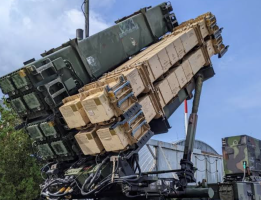
On 30 October 2026, the US State Department approved a potential foreign military sale to Ukraine of 500 Patriot Advanced Capability-3 (PAC-3) Missile Segment Enhancement (MSE) missiles. The estimated cost is $2.1 billion.
Funding and approval process
The proposed sale would be funded by donations from Canada, Germany and Norway through the JUMPSTART programme, alongside national funds financed by the European Union’s Ukraine Support Loan. No US funds are involved. The approval begins a 30-day review by the US Congress; a final Letter of Offer and Acceptance can follow only after that review. The State Department said the sale aims to improve Ukraine’s integrated air and missile defence capabilities.
Delivery timeline and current supplies
President Volodymyr Zelenskyy welcomed the approval but warned that deliveries could take several years, possibly into the 2030s, because the missiles have not yet been manufactured. He urged the US and European allies to supply interceptors from existing stockpiles for winter 2026–2027, with the new purchase later replenishing those stocks. Ukrainian authorities said the country received an average of 12 Patriot missiles monthly in 2026, against an estimated need of about 150 to intercept Russian ballistic missiles.
The decision followed earlier October tensions over a US diesel-fuel deal with Russia, disruptions to Ukraine’s Starshield satellite internet access and slowed intelligence sharing.
Important Facts for Exams
- PAC-3 role: The PAC-3 upgrade redesigned the interceptor missiles around engaging and destroying tactical ballistic missiles.
- Launcher capacity: A Patriot M902 launcher can carry sixteen PAC-3 missiles, compared with up to four PAC-2 missiles on an M901 launcher.
- MSE propulsion: The MSE variant combines a larger dual-pulse rocket motor with enlarged control surfaces, extending its energy and engagement envelope compared with earlier PAC-3 versions.
- Terminal guidance: PAC-3 interceptors use an onboard active radar seeker for terminal homing, unlike PAC-2’s semi-active guidance, which relies on reflected radar energy.
| Related | |
|---|---|