Unesco Conventions, Programmes and Lists Relevant to India
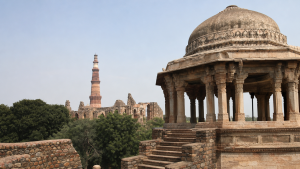
UNESCO’s conventions, lists and programmes are important for India in heritage protection, cultural diplomacy, environmental conservation and scientific cooperation. For Prelims revision, it is useful to track the key conventions ratified by India, the major UNESCO heritage lists, and India-specific entries across culture, nature and documentary heritage.
Major UNESCO Conventions Ratified by India
- 1954 Hague Convention: Protects cultural property in the event of armed conflict. India uses this framework to safeguard monuments, archives and cultural sites during military emergencies.
- 1970 Convention: Prohibits and prevents the illicit import, export and transfer of ownership of cultural property. It is central to India’s efforts to recover stolen idols and smuggled antiquities.
- 1972 World Heritage Convention: Concerns the protection of cultural and natural heritage. India ratified it in 1977, enabling sites of outstanding universal value to be inscribed on the World Heritage List.
- 2003 Convention: Deals with the safeguarding of intangible cultural heritage, including oral traditions, performing arts, rituals, social practices and traditional craftsmanship.
- 2005 Convention: Focuses on the protection and promotion of the diversity of cultural expressions and supports local creative industries and traditional art forms.
- Domestic linkage: The Ministry of Culture, Ministry of Environment, Forest and Climate Change, and the Archaeological Survey of India (ASI) are key nodal bodies for implementation in India.
India’s legal and administrative framework for heritage protection is closely linked to UNESCO conventions, especially the 1970 and 1972 conventions.
World Heritage Sites in India
The UNESCO World Heritage List includes cultural, natural and mixed properties of outstanding universal value. In India, the ASI is the main agency that prepares and submits nomination dossiers to the World Heritage Committee.
- Cultural sites: Include monuments, temples, forts, stepwells and urban ensembles such as the Taj Mahal, Group of Monuments at Hampi, Sun Temple at Konark, Dholavira, and the Sacred Ensembles of the Hoysalas.
- Natural sites: Include protected landscapes and ecosystems such as Kaziranga National Park, Keoladeo National Park, Sundarbans National Park and the Western Ghats.
- Mixed site: Khangchendzonga National Park in Sikkim is India’s sole mixed World Heritage Site.
- Exam angle: World Heritage status brings international recognition and conservation oversight for sites with outstanding universal value.
Intangible Cultural Heritage List
Under the 2003 Convention, UNESCO maintains the Representative List of the Intangible Cultural Heritage of Humanity to ensure visibility and preservation of living traditions. India has a strong presence on this list.
- Vedic Chanting: Traditional oral recitation of sacred Vedic texts using specific accents and pitch variations.
- Ramlila: Traditional performance of the Ramayana during Navratri across northern India.
- Kutiyattam: Sanskrit theatre performed in Kerala and regarded as one of the oldest living theatrical traditions in India.
- Ramman: Religious festival and ritual theatre performed in Saloor-Dungra village in the Garhwal region of Uttarakhand.
- Mudiyettu: Ritual dance-drama of Kerala depicting the battle between Goddess Kali and the demon Darika.
- Kalbelia: Traditional folk songs and dances of the Kalbelia community of Rajasthan.
- Chhau Dance: A classical-tribal martial dance form practiced in Odisha, Jharkhand and West Bengal.
- Buddhist Chanting of Ladakh: Sacred recitations of Buddhist texts by lamas in monasteries and villages of the Trans-Himalayan Ladakh region.
- Sankirtana: Ritual singing, drumming and dancing practiced by the Vaishnava community of Manipur.
- Traditional Brass and Copper Utensil Making: Craft of the Thatheras of Jandiala Guru in Punjab.
- Yoga: Ancient practice of physical, mental and spiritual disciplines rooted in Indian philosophy.
- Kumbh Mela: Massive peaceful pilgrimage gathering held at Prayagraj, Haridwar, Ujjain and Nashik.
- Durga Puja in Kolkata: Autumn festival blending worship, art, community performance and cultural traditions.
- Garba of Gujarat: Devotional folk dance of Navratri performed around a lit lamp or an image of Goddess Shakti.
UNESCO Scientific and Ecosystem Programmes
UNESCO’s work goes beyond monuments and cultural heritage. Its scientific programmes link conservation, sustainable development and ecosystem protection.
- Man and the Biosphere (MAB) Programme: Launched in 1971, it promotes an interdisciplinary approach to improve the relationship between human communities and their natural environment.
- World Network of Biosphere Reserves (WNBR): India has 18 designated domestic Biosphere Reserves, of which 12 are recognised under the WNBR framework.
- WNBR reserves in India: Nilgiri, Gulf of Mannar, Sundarbans, Nanda Devi, Nokrek, Pachmarhi, Similipal, Achanakmar-Amarkantak, Great Nicobar, Agasthyamala, Khangchendzonga and Panna.
- UNESCO Global Geoparks Network: Recognises geographical areas with sites and landscapes of international geological significance managed through protection, education and sustainable development.
- Indian geo-heritage proposals: The Geological Survey of India (GSI) has identified geo-heritage sites such as Lonar Crater Lake in Maharashtra and Tirumala Natural Arch in Andhra Pradesh for possible Geopark status.
Memory of the World Register and Creative Cities Network
UNESCO also preserves documentary heritage and encourages cultural development through specialised networks.
- Memory of the World (MOW) Register: Launched in 1992 to protect documentary heritage from decay, loss and deliberate destruction.
- Rigveda manuscripts: A key Indian entry in the MOW Register, preserved at the Bhandarkar Oriental Research Institute, Pune.
- Other Indian entries: The Maitreyavyakarana, the IAVS Shaiva manuscripts of Pondicherry and the Gilgit Manuscripts.
- Purpose: The register highlights documentary collections of global significance and promotes their preservation and access.
- Creative Cities Network: UNESCO’s urban network supports cities that link creativity with sustainable cultural development.
Key Prelims Takeaways
- India ratified the 1972 World Heritage Convention in 1977.
- ASI is the main agency for World Heritage nominations in India.
- Khangchendzonga National Park is India’s only mixed World Heritage Site.
- 1970 Convention is crucial for repatriation of stolen antiquities.
- 2003 Convention covers intangible cultural heritage such as rituals, dance, theatre and oral traditions.
- India has 12 UNESCO-recognised Biosphere Reserves under the World Network of Biosphere Reserves.
- Memory of the World protects documentary heritage such as manuscripts and ancient texts.
| Related | |
|---|---|