Tripura Achieves Zero Dropout Rate in Primary Schools
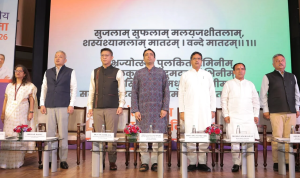
Tripura recorded a zero per cent dropout rate at the primary school level, covering Classes 1 to 5, in the 2025-26 academic year. The state government linked the figure to UDISE+ data and placed the primary dropout rate at 2.21 per cent in 2013-14 before it reached zero in 2025-26.
Primary and Secondary School Dropout Data
Primary education in India generally covers Classes 1 to 5, while secondary education covers Classes 9 and 10 under the school structure used in official education statistics. Tripura’s secondary level dropout rate fell from 25.51 per cent in 2013-14 to 10.40 per cent in 2025-26.
Education Initiatives in Tripura
The state government has linked the primary-level outcome with the NIPUN Bharat Mission and the Saharsha Tripura programme. NIPUN Bharat is a national mission for foundational literacy and numeracy, and ULLAS stands for Understanding Lifelong Learning for All in Society.
Tripura also announced plans to merge schools with low enrolment in remote and rural areas. The state has proposed modern residential schools on the model of Eklavya Model Schools for students in underserved regions.
Open Schooling and Early Childhood Education
The state government approved the Board of Open Schooling and Examination, Tripura. It also planned Balvatikas, which are pre-primary classes, across all 2,048 primary schools in the state within two years.
ULLAS was launched in May 2022 as a literacy programme for adult learners. Its activities in Tripura included adult financial literacy, market calculation skills, and health and hygiene sessions.
Important Facts for Exams
- UDISE+ stands for Unified District Information System for Education Plus and is used for school education data in India.
- Eklavya Model Schools are residential schools for Scheduled Tribe students under a central government scheme.
- Balvatika refers to pre-primary education for children before Class 1.
- International Literacy Day is observed on 8 September every year.
| Related | |
|---|---|