Russia Buys Gasoline From India For First Time
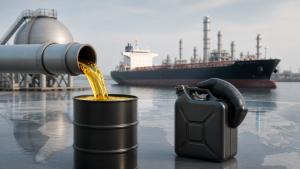
Russia began importing gasoline from India in 2026 for the first time in history amid a domestic fuel shortage caused by repeated Ukrainian drone strikes on Russian refineries. The first physical cargo of Indian gasoline reached Russia in August 2026, after a shipment loaded at the Vadinar refinery in Gujarat was routed through the Egyptian port of Damietta.
India-Russia Fuel Trade
India exported gasoline to Russia after a tanker loaded 42,000 tonnes of fuel at the Vadinar refinery on 18 June 2026. The refinery is operated by Nayara Energy Ltd., which has Rosneft-backed ownership links. India’s role in this trade followed a rise in its imports of Russian crude oil, which reached 48% of India’s total crude imports in June 2026.
Russian Refining Disruption
Russia’s crude oil processing averaged 3.6 million barrels per day in July 2026, which was about one-third below the normal seasonal level. The decline followed successive strikes on refining facilities, and Russia kept its ban on gasoline and diesel exports to protect domestic supply. Industry estimates placed Russia’s possible monthly gasoline import requirement at up to 400,000 tonnes from multiple countries.
Shipping Route And Market Context
The Indian gasoline cargo was transferred at Damietta in Egypt before continuing towards Russia. Kpler shipping data and market analysis linked the shipment to a wider disruption in traditional energy flows, while Belarus also remained a source of fuel imports for Russia in 2026.
Important Facts for Exams
- Vadinar refinery is located in Gujarat and is operated by Nayara Energy Ltd.
- Rosneft is a Russian state-controlled oil company with interests linked to Nayara Energy Ltd.
- Kpler is a shipping data and analytics firm used for tracking tanker movements and energy trade.
- Damietta is a port city in Egypt that handles trans-shipment of cargo between sea routes.
Energy Trade Terms
Crude oil processing refers to the refining of crude oil into products such as petrol, diesel, and aviation fuel. A fuel shortage in a domestic market can lead to imports of refined products even when a country remains a major crude oil producer.
| Related | |
|---|---|