Nepal Approved to Import 350 MW of Electricity from India
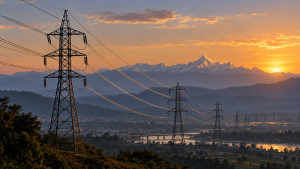
On November 17, 2026, India’s Central Electricity Authority approved the Nepal Electricity Authority (NEA) to import up to 350 MW of electricity for the period ending July 31, 2027. The NEA can buy power at competitive rates from the Day-Ahead and Real-Time markets of the Indian Energy Exchange (IEX), for up to 17 hours a day.
Import routes and seasonal supply
Of the approved capacity, 300 MW can be transmitted through the 132 kV Kataiya-Kushaha, Ramnagar-Surajpura and Raxaul-Parwanipur lines. The remaining 50 MW is allocated to the 132 kV New Nautanwa-Mainahiya line. Imports are barred during the morning peak from 5 am to 8 am and the evening peak from 5 pm to 9 pm.
Approval addresses an expected winter shortfall as seasonal declines in river flows reduce output from Nepal’s run-of-the-river hydropower projects. Floods in the Bhote Koshi and Trishuli river systems in Rasuwa have also left 431 MW of capacity disconnected from the national grid. NEA Managing Director Dirghayu Kumar Shrestha said the approval would help manage winter electricity demand and supply.
Separately, the NEA received approval to export 56 MW generated by three hydropower projects to the IEX during the same period. Domestic generation is expected to improve from mid-April 2027 as river levels rise, potentially reducing imports and enabling more exports.
Important Facts for Exams
- Utility roles: Nepal Electricity Authority combines generation, transmission and retail distribution under government supervision, giving it roles across the domestic power chain.
- Cross-border trading: NEA buys electricity from Indian producers when Nepal has a power deficit and sells it when domestic supply is surplus.
- Day-ahead auction: IEX’s day-ahead market uses closed auctions with two-sided bidding and uniform pricing for electricity trading.
- Seasonal river flows: Run-of-the-river plants without pondage depend on seasonal river flows, making their electricity generation intermittent.
| Related | |
|---|---|