Major Rajput Dynasties of Rajasthan and Their Administration
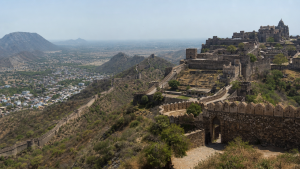
The history of Rajasthan was shaped by powerful Rajput dynasties that built fortified principalities across the Aravalli hills, desert routes and fertile plains. Their rule combined clan loyalty, agrarian revenue systems and military service, creating administrative traditions that remained influential for centuries.
Major Rajput Dynasties
Guhilas and Sisodias of Mewar: The Guhila dynasty, founded by Guhaditya in the 6th century, established its base in the southern Aravalli region. Bappa Rawal expanded Mewar in the 8th century by capturing Chittorgarh from the Mori Rajputs. In the 14th century, Rana Hammira restored the family’s power and began the Sisodia line after reclaiming Chittorgarh following Alauddin Khalji’s invasion. Mewar later became a major centre of resistance under rulers such as Rana Kumbha, Rana Sanga and Rana Pratap.
Rathores of Marwar and Bikaner: The Rathores traced their lineage to Rao Siha in the 13th century. Rao Chunda strengthened their position by receiving Mandore as a dowry gift. Rao Jodha founded Jodhpur in 1459 and built Mehrangarh Fort as the capital of Marwar. A branch under Rao Bika, son of Rao Jodha, established Bikaner in 1488. Marwar reached its territorial peak under Rao Maldeo in the 16th century, while Bikaner developed closer administrative and military ties with the Mughal Empire under Raja Rai Singh.
Kachwahas of Dhundhar (Amber/Jaipur): The Kachwahas established their rule in Dhundhar around the 11th–12th centuries under Dulha Rai, displacing the local Meena and Bargujar rulers. Raja Bharmal of Amber became the first Rajput ruler to form a direct matrimonial alliance with Emperor Akbar in 1562 at Sambhar. Raja Man Singh I rose as an important Mughal commander and expanded the wealth and influence of Amber. In 1727, Sawai Jai Singh II shifted the capital from Amber to Jaipur, which was planned according to Vastu Shastra and classical architectural principles by Vidyadhar Bhattacharya.
Chauhans (Chahamanas): The Chauhans ruled from Shakambhari (Sambhar) under Ajayaraja II, who founded Ajmer (Ajayameru) in the 11th century. Prithviraj III extended control over Delhi before his defeat in the Second Battle of Tarain in 1192. After this, branch lineages established regional kingdoms in Rajasthan.
Bhatis of Jaisalmer: The Bhati Rajputs claimed descent from the Yadava lineage. Maharawal Jaisal founded the desert kingdom of Jaisalmer in 1156 and built Jaisalmer Fort atop Trikuta Hill. Because the state lay on important overland trade routes between Central Asia and the Gangetic plains, it earned revenue through transit taxes and trade duties.
Branch Dynasties of the Chauhans
- Hada Chauhans: Governed the Hadoti region and later split into the principalities of Bundi and Kota.
- Songara Chauhans: Ruled the strategic fort of Jalore under Kanhadadeva.
- Deora Chauhans: Controlled Chandravati and Sirohi, with Mt. Abu as an important political centre.
State-wise Administrative Features
- Mewar: Maintained a strong tradition of political independence; Lord Eklingji was regarded as the true sovereign, while the Maharana governed as the deity’s Diwan.
- Marwar: Extended control over western Rajasthan and managed key trade routes through fortified centres such as Jodhpur.
- Bikaner: Developed a structured desert administration and adapted to frontier conditions with Mughal-era cooperation.
- Amber/Jaipur: Showed early integration with Mughal administration, especially through the military service of Raja Man Singh I.
- Hadoti: Benefited from the fertile eastern plains and developed distinct traditions, including miniature painting schools.
- Jaisalmer: Used its location on caravan routes to collect transit duties and customs revenue.
Administrative Practices and Governance
Rajput states generally functioned on a clan-based feudal structure rooted in kinship, hereditary rights and military obligation. The ruler, usually titled Raja or Rana, stood at the top of the hierarchy, but kingship was limited by clan institutions and noble rights.
- Bhaibhand system: The state was treated not as the personal property of the king but as a joint inheritance of the ruler and his clan kinsmen.
- Eklingji tradition in Mewar: The deity Eklingji, a form of Shiva, was recognised as the formal sovereign.
- Patta system: Land grants were issued to nobles such as Thakurs or Jagirdars in return for military service and annual tribute called Reekh.
- Jagirdari land: Hereditary nobles collected revenue, maintained local law and order, and supplied cavalry contingents during war.
- Khalsa land: Crown land directly administered by the state revenue department; its income funded the royal household and treasury.
- Bhumia land: Held by local landholders who guarded village borders, tracked criminals and protected trade caravans in return for tax-free land.
- Sasan/Dharmada land: Rent-free land gifted to Brahmins, temples, Charans and Bhats for religious or scholarly purposes.
Central Administrative Machinery
- Pradhan: The chief minister who assisted the ruler in political and administrative decisions.
- Diwan: Head of the finance department.
- Military organisation: Nobles were expected to maintain armed retainers and cavalry according to the extent of their landholding.
- Revenue base: Agrarian taxes, tribute from jagirs, and duties on trade routes supported state finances.
- Local authority: Village and border security duties were often delegated to landholding groups and local chiefs.
Key Prelims Takeaways
- Guhila dynasty: Founded by Guhaditya in the 6th century; later gave rise to the Sisodia line.
- Rana Hammira: Reclaimed Chittorgarh after Alauddin Khalji’s invasion and strengthened Mewar.
- Rao Jodha: Founded Jodhpur in 1459 and built Mehrangarh Fort.
- Rao Bika: Established Bikaner in 1488 as a Rathore branch state.
- Raja Bharmal: Formed a direct matrimonial alliance with Akbar in 1562 at Sambhar.
- Prithviraj III: Lost to Muhammad Ghori’s forces at the Second Battle of Tarain in 1192.
- Jaisalmer: Founded in 1156 by Maharawal Jaisal; its economy depended on trade duties and transit taxes.
| Related | |
|---|---|