Maharashtra Approves CBG Policy 2026
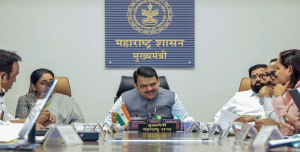
Maharashtra has approved the State Compressed Biogas (CBG) Policy 2026 to strengthen clean energy production and scientific waste management. The decision was taken by the State Cabinet under the chairmanship of Chief Minister Devendra Fadnavis. The policy aims to convert organic waste into clean fuel while supporting India’s climate goals and circular economy strategy.
₹500 Crore Support for CBG Projects
The policy has allocated ₹500 crore for the financial year 2026–27. This funding will support project developers through the Public-Private Partnership (PPP) model and the Hybrid Annuity Model (HAM). The main objective is to reduce financial risks and encourage faster development of large-scale compressed biogas plants across the state.
Focus on Waste-to-Energy Conversion
Maharashtra’s 423 urban local bodies generate large amounts of municipal solid waste every day. A major share of this waste is organic and often ends up in landfills. The new policy promotes strict source segregation so that wet waste can be scientifically processed and used for biogas generation instead of dumping.
Reducing Landfill Burden and Emissions
Scientific processing of organic waste will reduce pressure on landfills and cut methane emissions, which are a major cause of global warming. The policy also supports the use of agricultural residue as feedstock, helping farmers and reducing stubble burning. This creates a sustainable waste-to-wealth ecosystem.
Important Facts for Exams
- CBG stands for Compressed Biogas, a clean fuel produced from organic waste.
- GOBARdhan scheme promotes converting biodegradable waste into wealth and energy.
- Hybrid Annuity Model (HAM) is used for infrastructure projects with shared public-private funding.
- Methane is a greenhouse gas with higher warming potential than carbon dioxide in the short term.
Link with GOBARdhan and Circular Economy
The policy is aligned with the Government of India’s GOBARdhan scheme and supports cluster-based infrastructure for efficient waste collection and processing. It strengthens the circular economy by turning waste into fuel, improving urban sanitation, and promoting renewable energy generation across Maharashtra.
| Related | |
|---|---|