Karnataka, Amagi Sign LoI for Sports Technology Centre
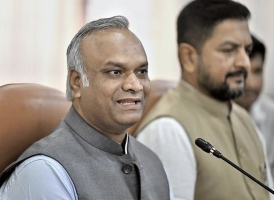
On 19 November 2026, the Government of Karnataka and Amagi Media Labs Limited signed a non-binding Letter of Intent (LoI) to explore establishing a Sports Technology Centre of Excellence in Bengaluru. It is envisioned as India’s first government-backed centre of this kind; it is not yet operational.
Proposed focus and operating model
Minister Priyank Kharge said the centre would combine technology, research and industry expertise to support sports performance and athlete development. Its three proposed pillars are core technology and research, athlete development, and cross-cutting ecosystem enablers. Areas include Sports Analytics, Sports Biomechanics, sports hardware, virtual training, injury prevention and rehabilitation, talent identification, athlete well-being, skilling, testing and industry collaboration.
Karnataka would provide seed funding and facilitate infrastructure, while professionals would manage operations in an industry-led model. Kharge cited a sports ecosystem valued at about $41 billion, with expected growth of 12–15 per cent. He also said Karnataka has more than 20 industry-partnered Centres of Excellence, whose intellectual property is valued at over ₹13,000 crore.
Governance, roles, resources, commercial terms, timelines and deliverables remain subject to later definitive agreements and both parties’ approvals. The LoI itself creates no legal, financial, commercial, performance or timeline obligations.
Important Facts for Exams
- Analytics strands: For the proposed sports technology centre, sports analytics can address on-field performance as well as off-field business decisions such as sales and fan engagement.
- Biomechanics methods: Sports biomechanics applies mechanics to athletic performance, using mathematical modelling, computer simulation and measurement to analyse sports activity quantitatively.
- Youth selection bias: The relative age effect describes how athletes born earlier in an age-group selection year can be overrepresented in youth sport talent pathways.
- Return-to-sport stages: Sports medicine frameworks distinguish return to participation, return to sport and return to performance as successive stages after injury.
| Related | |
|---|---|