ISRO Launches GSLV-F18 with NVS-03 Navigation Satellite
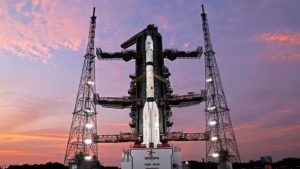
The Indian Space Research Organisation (ISRO) successfully launched the GSLV-F18 carrying the NVS-03 navigation satellite on 30 October 2026. The rocket lifted off at 11:51 pm IST from the second launch pad at the Satish Dhawan Space Centre in Sriharikota.
Mission and NavIC upgrades
About 18 minutes after launch, NVS-03 was injected into a Geosynchronous Transfer Orbit. The supplied mass figures differ: 2,250 kg and 2,232 kg. The satellite carries an indigenously developed atomic clock alongside procured atomic clocks, which provide precise timing for satellite navigation.
NVS-03 adds the L1 frequency to NavIC’s existing L5 and S-band signals. The addition is expected to improve civilian navigation capabilities and compatibility with other receivers. The mission restored NavIC to its minimum operational configuration of four satellites, supporting positioning, navigation and timing services across India and up to 1,500 km beyond its borders.
The flight was the 20th of India’s Geosynchronous Satellite Launch Vehicle (GSLV). ISRO Chairman V. Narayanan recorded his fifth mission accomplishment of 2026.
Important Facts for Exams
- Service classes: NavIC offers an open Standard Positioning Service for civilian use, interoperable with GNSS, and an encrypted Restricted Service for authorised users.
- Orbital layout: NavIC’s seven-satellite constellation places three satellites in geostationary orbit and four in inclined geosynchronous orbit.
- Ground redundancy: NavIC’s Byalalu and Lucknow Navigation Centres jointly provide operations with redundancy.
- Area messaging: NavIC’s embedded messaging interface can send geographically targeted warnings, including cyclone alerts for fishermen.
| Related | |
|---|---|