Himachal Pradesh Sets Up Interim Panchayat Administration
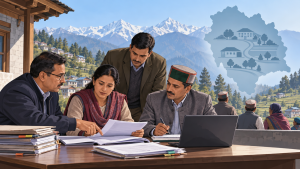
The five-year terms of elected representatives in most Panchayati Raj institutions in Himachal Pradesh expired on 31 January 2026. The state government notified temporary administrative committees through the Rural Development and Panchayati Raj Department to manage administrative affairs and development work until new elections can be held.
Interim Committee Structure
For gram panchayats, Block Development Officers (BDOs) will serve as chairpersons and panchayat secretaries as member-secretaries. Panchayat Samitis will be headed by their Chief Executive Officers, with Social Education and Block Planning Officers as members; if that post is vacant, the BDO may nominate an officer. Panchayat Inspectors or Sub-Inspectors will serve as member-secretaries. For Zila Parishads, their Chief Executive Officers will be chairpersons, District Development Officers members and District Panchayat Officers member-secretaries.
Reason and Excluded Areas
The state cited the Disaster Management Act, 2005, as the reason timely panchayat elections could not be held. The interim arrangements exclude areas where terms had not expired: Keylong subdivision in Lahaul-Spiti district, Pangi subdivision in Chamba district and four gram panchayats in Kullu district.
Important Facts for Exams
- Panchayat election oversight: Article 243K assigns panchayat-election supervision to State Election Commissions; their commissioners are appointed by Governors and enjoy removal protection comparable to High Court judges.
- Panchayat finance review: Article 243-I requires each state Governor to constitute a Finance Commission every five years to review Panchayats’ financial position and recommend revenue-sharing measures.
- State disaster coordination: Under Section 22 of the Disaster Management Act, a State Executive Committee chaired by the Chief Secretary coordinates and monitors implementation of the state disaster plan.
- Constitutional devolution: The Eleventh Schedule lists 29 potential Panchayat subjects, but Article 243G leaves the extent of their powers and responsibilities to state legislation.
| Related | |
|---|---|