Government Launches ₹8,941 Crore Yamuna Rejuvenation Projects
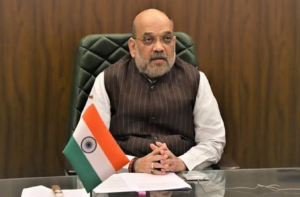
On 22 October 2026, Union Home Minister Amit Shah inaugurated 10 Delhi Jal Board projects and laid foundation stones for 33 others, with a combined value of ₹8,941.22 crore. The projects were launched from the Najafgarh area and aim to prevent untreated sewage from entering the Yamuna River. The government has set May 2029 as the target for cleaning the river.
Yamuna River and sewage management
The Yamuna is a major tributary of the Ganga and joins it at Prayagraj in Uttar Pradesh. It originates at the Yamunotri glacier in Uttarakhand. In urban areas, sewage treatment plants process wastewater before its discharge into water bodies. The Delhi projects include new treatment capacity, upgrades to existing plants, pumping stations and sewer connections.
Sewage treatment infrastructure
A 124 million-gallon-per-day (MGD) sewage treatment plant is planned at Okhla at a cost of ₹1,161 crore. It is expected to be Delhi’s largest sewage treatment plant. Eight existing plants will be upgraded for ₹1,041 crore, raising their combined capacity from 78.2 MGD to 140.8 MGD; the upgrades are expected to benefit about 78.5 lakh people. The package also includes 29 decentralised sewage treatment plants and pumping stations in outer Delhi, costing ₹3,113.67 crore. They are planned to serve 358 unauthorised colonies and 113 villages, benefiting 36.29 lakh residents.
Sewer networks and water treatment
A 1,034-kilometre sewer network, estimated to cost ₹1,691 crore, is planned to extend sewer connectivity and benefit 25.8 lakh people. A 477 MLD water treatment plant at Chandrawal, estimated at ₹298.3 crore, will replace facilities dating from 1935 and 1955 and serve around 22 lakh people.
Important Facts for Exams
- The Yamuna is a tributary of the Ganga.
- The Yamuna originates at the Yamunotri glacier in Uttarakhand.
- MGD means million gallons per day, while MLD means million litres per day.
- Sewage treatment plants treat wastewater before it is discharged into the environment.
Project timeline
The works are scheduled for completion within two to two-and-a-half years. Amit Shah stated that more than 40% of the work under the Yamuna-cleaning action plan had been completed.
| Related | |
|---|---|