FactBox: World’s First Artificial Energy Island in Belgium
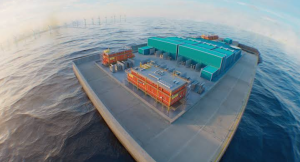
Belgium’s Princess Elisabeth Island is an artificial energy island under construction in the North Sea, about 45 kilometres off the Belgian coast. The project is designed as a 5-hectare offshore energy hub for grid connection infrastructure linked to offshore wind power.
Princess Elisabeth Island and Offshore Grid Design
Princess Elisabeth Island is planned as a multi-purpose energy island for the Belgian electricity grid. The project is associated with Elia Transmission Belgium, the transmission system operator, and is intended to support the integration of offshore wind energy into the onshore grid. The island is also linked to high-voltage substation works and alternating current connections for the second phase of development.
Construction Components and Caissons
The island uses 23 concrete foundation caissons to form its outer walls. Jan De Nul Group and DEME Group completed the caissons at the port of Vlissingen in the Netherlands, and the structures were later installed in the North Sea. Caissons are large watertight concrete structures used in marine construction, harbour works, and offshore foundations.
- By June 2026, 17 of the 23 caissons had been positioned offshore.
- By 24 August 2026, all 23 caissons had been placed in the North Sea.
- The project then entered the sand-reclamation phase after caisson installation.
Nature-Inclusive Marine Engineering
The project includes the “Reefcovery” initiative, which uses rocks embedded with young oysters around the island. This method is part of a nature-inclusive design intended to create a marine reef and reduce erosion around the structure. Oyster-based reef formation is used in some coastal engineering projects to support marine habitat development.
Financing, Cost and Power Capacity
Elia Transmission Belgium signed a €1 billion green credit facility with the European Investment Bank on 7 September 2026. The second phase of the project includes a revised design intended to reduce direct-current infrastructure costs by €2 billion. Cost estimates for the full project have ranged from €7 billion to over €9 billion, while the first phase has been placed at €3.6 billion.
Important Facts for Exams
- Princess Elisabeth Island is planned as the world’s first artificial energy island in the North Sea.
- The island is located about 45 kilometres off the Belgian coast.
- The project is expected to become operational in 2031.
- The island is designed to connect up to 3.15 GW of offshore wind power to the Belgian grid.
Static GK on Artificial Energy Islands
Artificial energy islands are offshore platforms or reclaimed land masses used for electricity transmission, substation facilities, and interconnection of wind farms. Belgium’s project is one of the largest offshore grid infrastructure projects in Europe and uses both marine construction and high-voltage power engineering.
| Related | |
|---|---|