Page-9 of Environment & Biodiversity
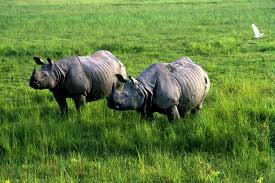
National Wildlife Week, 2020
Every year National Wildlife Week is celebrated in India between October 2nd and October 8th. It is being celebrated since 1954. The main objective of celebrating the day...
Global Climate Summit, 2020
The United Nations is to hold the Global Climate Summit on December 12, 2020 and Britain is to co-host the summit. The summit is to increase momentum ahead...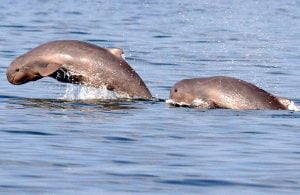
Project Dolphin
Dolphins are aquatic mammals; belonging to Order Cetacea. Cetus means a whale or a huge fish. There are around 90 living species in Cetacea divided into two groups....
What is iFLOWS?
iFLOWS is a flood warning system that alerts flood prone areas. The warning is provided 6 to 72 hours in advance. It was launched in Mumbai. Highlights iFLOWS...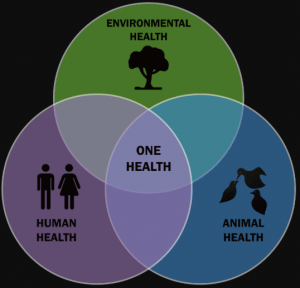
One Health
‘One Health’ is to be one of the priority areas that are to be strengthened using the 15,000 crore INR package recently approved by the Union Cabinet. About...