Chandrayaan-5 Launch Site Assessment Begins in Japan
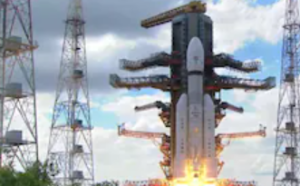
India’s upcoming lunar mission, Chandrayaan-5, has entered a crucial preparatory phase as the Indian Space Research Organisation (ISRO) initiates launch site assessments in Japan. The visit by ISRO scientists reflects deepening space collaboration between India and Japan, particularly in the domain of lunar exploration and advanced mission planning.
ISRO-JAXA Collaboration Framework
The growing partnership between the Indian Space Research Organisation and the Japan Aerospace Exploration Agency (JAXA) underpins the Chandrayaan-5 mission. Both agencies have consistently expanded cooperation in satellite development, Earth observation, and space science. This joint engagement aligns with their shared objective of advancing space exploration through international collaboration and technological exchange.
Purpose of Japan Visit and Technical Evaluation
The ISRO delegation’s visit focuses on assessing the readiness of Japanese launch facilities. Key aspects include evaluating launch infrastructure, compatibility of systems, and safety protocols. The teams are also examining environmental and operational conditions necessary for deep space missions. These assessments are essential for ensuring mission precision, reliability, and seamless integration of technologies.
Key Technical Considerations for Chandrayaan-5
Chandrayaan-5 is expected to involve more complex payloads and mission architecture compared to its predecessors. Critical factors under evaluation include launch vehicle compatibility, ground support systems, and mission safety parameters. Lessons from earlier missions, particularly Chandrayaan-3, are being integrated to enhance landing accuracy and scientific output.
Important Facts for Exams
- Chandrayaan-5 is a proposed Indo-Japanese collaborative lunar mission.
- JAXA is Japan’s national space agency responsible for aerospace research.
- ISRO’s earlier lunar missions include Chandrayaan-1, 2, and 3.
- International collaboration reduces costs and improves mission success rates.
Strategic Significance of India-Japan Space Cooperation
The Chandrayaan-5 initiative reflects a broader global trend towards cooperative space exploration. India and Japan aim to leverage shared expertise, reduce technological constraints, and improve mission efficiency. The collaboration is expected to strengthen India’s long-term ambitions in interplanetary exploration while contributing to global lunar research efforts.
| Related | |
|---|---|