Centre Bans Reuse of Single-Use Medical Devices
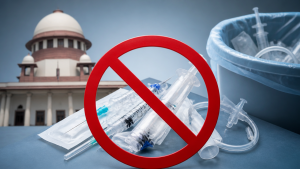
On 16 October 2026, India’s Directorate General of Health Services (DGHS) prohibited the reuse of single-use medical devices and disposable surgical items in public and private healthcare facilities. The directive requires healthcare providers to use these products strictly according to the instructions and recommendations of the Original Equipment Manufacturer (OEM).
Scope of the Directive
The DGHS directive applies to healthcare facilities across India and covers devices labelled for one-time use. Examples named in the directive include cardiac catheters, guidewires, dialysis equipment, surgical staplers, laparoscopic trocars, orthopaedic drill bits, syringes and needles. The DGHS noted their reuse in specialties including cardiology, nephrology, oncology, cardiothoracic and vascular surgery (CTVS), and neurosurgery.
Patient Safety and Enforcement
The stated concerns include infection risks, device malfunction and reduced performance after reprocessing. The directive also addresses allegations that patients were charged the full price of devices that had been sterilised and reused. States and Union Territories have been instructed to maintain vigilance, inspect and monitor healthcare establishments, and act against non-compliance under existing laws. These include the Drugs and Cosmetics Act, 1940, the Medical Devices Rules, 2017, and the Clinical Establishments Act, 2010. The Medical Devices Rules, 2017, regulate the manufacture, import, sale and distribution of medical devices in India.
Reprocessing and Healthcare Costs
Doctors have raised concerns that the prohibition could increase treatment costs, medical waste and patients’ out-of-pocket expenditure. Some have called for standardised re-sterilisation protocols and affordable alternatives. The Association of Indian Medical Device Industry (AiMeD) welcomed the directive and stated that manufacturers should not be held liable when products are reused contrary to their instructions.
Important Facts for Exams
- The Directorate General of Health Services is a subordinate office of the Ministry of Health and Family Welfare.
- The Drugs and Cosmetics Act, 1940, provides the legal framework for regulating drugs and cosmetics in India.
- The Medical Devices Rules, 2017, were framed under the Drugs and Cosmetics Act, 1940.
- The Clinical Establishments Act, 2010, provides for registration and regulation of clinical establishments in applicable states and Union Territories.
The directive applies to both public and private healthcare facilities and requires adherence to OEM instructions for single-use products. The named enforcement framework includes the Drugs and Cosmetics Act, 1940, and the Medical Devices Rules, 2017.
| Related | |
|---|---|