Cambridge Dictionary Names ‘Human’ Word of the Year 2026
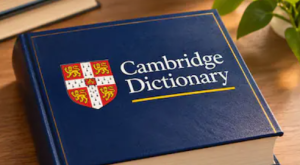
On 18 November 2026, the Cambridge Dictionary, an online dictionary published by Cambridge University Press, named “human” its Word of the Year for 2026.
Why ‘Human’ was chosen
The selection reflects global discussion about what it means to be human as artificial intelligence (AI) increasingly produces human-like content, imitates voices and generates images. The Cambridge Dictionary defines “human” as “having the qualities, faults, and feelings that people have, as opposed to gods, animals, or machines”. The choice also points to renewed appreciation of human creativity, connection and authenticity.
Responses to AI-generated content
Bill Gates has advocated for “human reserved jobs”, while Nobel laureate Geoffrey Hinton has warned about “creating alien beings”; Pope Leo XIV has also contributed to the debate. In April 2026, actors Matthew McConaughey and Taylor Swift trademarked their voices and images amid concerns about AI deepfakes and the use of human-generated content. The Authors Guild launched a “Human Authored” kitemark for books to distinguish human-created work from machine-generated content, with support from Mary Beard and Malorie Blackman. Cambridge Dictionary lexicographer Colin McIntosh said AI was changing how people discussed being human and that the word was being used to distinguish human work from advanced computer systems.
Important Facts for Exams
- Search-data selection: Cambridge Dictionary selects its Word of the Year using data on words people look up in its online dictionary.
- Human Authored certification: The Authors Guild’s certification requires human-written text, permits minimal AI assistance such as spelling checks or research, and is available for US-published books.
- EU synthetic-content transparency: The EU AI Act requires providers to mark synthetic outputs machine-readably; deployers must disclose deepfakes, with context-sensitive disclosure for artistic, satirical and fictional works.
- Human authorship in copyright: US copyright protection requires human authorship: AI-generated material alone is unprotectable, but sufficiently creative human selection, arrangement or modification may qualify.
| Related | |
|---|---|