Trump Announces US Control of Venezuelan Oil Reserves
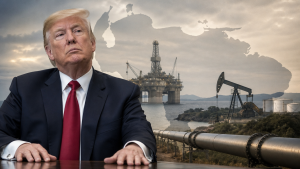
The United States and Venezuela announced a major oil agreement on 28 August 2026 involving more than 65 billion barrels of Venezuela’s proven oil reserves. The arrangement was linked to a private joint venture, a 100-year concession, and a reported U.S. majority stake of 55% through equity and access to oil at cost.
Venezuelan Oil Reserves
Venezuela has the world’s largest proven oil reserves, estimated at more than 300 billion barrels in many standard reference works, with the Orinoco Belt forming a major part of these deposits. Proven reserves are quantities of crude oil that geological and engineering data show can be recovered under existing economic and operating conditions.
Joint Ventures and Oil Concessions
Oil concessions are legal permissions that allow companies to explore, produce, and market petroleum in a defined area for a fixed period. Joint ventures in the petroleum sector usually combine state participation, private capital, and operational control through a shared corporate structure.
Strategic Petroleum Reserve and Energy Security
The United States Strategic Petroleum Reserve is the largest emergency crude oil stockpile in the world and is stored in underground salt caverns along the Gulf Coast. It was created in 1975 after the 1973 oil crisis and is used to cushion supply disruptions and stabilise domestic fuel markets.
Important Facts for Exams
- Venezuela is a member of OPEC, the Organisation of the Petroleum Exporting Countries, founded in 1960.
- The Orinoco Belt is one of the largest heavy crude oil regions in the world.
- Proven oil reserves are different from probable or possible reserves in petroleum classification.
- The U.S. Strategic Petroleum Reserve was established under the Energy Policy and Conservation Act, 1975.
Political and Legal Context
Nicolás Maduro has served as President of Venezuela since 2013, and Delcy Rodríguez has held senior offices in the Venezuelan government, including vice-presidential and ministerial roles. Sanctions, concessions, and foreign investment in Venezuelan hydrocarbons have remained linked to domestic politics, international law, and energy diplomacy.
| Related | |
|---|---|