Traditional India–Tibet Trade Resumes Through Lipulekh Pass
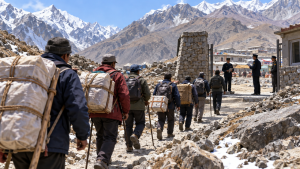
Traditional India–Tibet border trade resumed on August 1, 2026, through Lipulekh Pass in Pithoragarh district, Uttarakhand, after a suspension that began in 2019. The first delegation comprised 16 traders and four helpers.
First delegation crosses Lipulekh Pass
The 16 registered traders and four helpers completed immigration formalities at the immigration office in Gunji on the evening of July 31. At around 10:15 am on August 1, Chinese officials completed formalities at Lipulekh Pass, allowing the Indian traders to enter Tibet. They reached Taklakot mandi and began trading.
Trade eligibility and next batches
For this first phase, the Chinese administration permitted entry only to previously registered traders who had traded before. The delegation carried no new goods from India and used trade materials already available in Taklakot after completing the required formalities. Sub-Divisional Magistrate Dharchula Ashish Joshi said coordination with the Chinese administration was continuing by email to determine dates and permissions for subsequent batches.
Important Facts for Exams
- Historic users: Kumaon’s Bhotiya valleys had separate passes into Tibet; the Byansis and Chaudansis used Lipulekh.
- 1954 agreement: A 1954 India–China border-trade agreement named Lipulekh for both Indo-Tibetan trade and pilgrimage traffic.
- Trading season: Lipulekh’s cross-border trade season runs annually from June through September.
| Related | |
|---|---|