SHetA2 Therapy for HPV-Related Cervical Disease
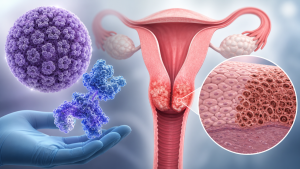
SHetA2 is an oral small-molecule therapy linked to Human Papillomavirus-related cervical disease. On 29 July 2026, the Indian Council of Medical Research-National Institute of Cancer Prevention and Research validated the molecule for further development in India.
SHetA2 and HPV Biology
SHetA2 targets the HPV E6 and E7 oncoproteins. These viral proteins interfere with the tumour suppressor proteins p53 and Rb, which regulate cell cycle control and programmed cell death.
Therapeutic Use and Disease Targets
The therapy is designed for pre-cancerous cervical lesions, including Cervical Intraepithelial Neoplasia, and for cancerous cervical lesions. It is not designed to prevent the initial HPV infection.
Clinical Development and Regulatory Status
The molecule has been transferred to Emcure Pharmaceuticals for larger human trials in India. In the United States, an Investigational New Drug application numbered IND 156700 has been allowed by the United States Food and Drug Administration, and Phase 1 clinical trial NCT04928508 is open for advanced or recurrent ovarian, cervical, and endometrial cancers.
Important Facts for Exams
- Human Papillomavirus is a DNA virus and several high-risk HPV types are linked with cervical cancer.
- p53 is a tumour suppressor protein that helps control DNA repair and apoptosis.
- Rb is a retinoblastoma protein that regulates progression from the G1 phase to the S phase of the cell cycle.
- Cervical Intraepithelial Neoplasia is a precancerous condition of the cervix and is graded as CIN 1, CIN 2, and CIN 3.
Research Collaboration and Preclinical Findings
SHetA2 was developed through collaboration between scientists at ICMR-NICPR and the Stephenson Cancer Center at the University of Oklahoma. Preclinical studies have reported oral bioavailability, safety, tolerability, and selective activity against HPV-induced abnormal cells.
Current Development Stage
SHetA2 remains under clinical evaluation and is not yet in widespread clinical use. Further safety and effectiveness trials are required before routine medical application.
| Related | |
|---|---|