Rainfall Deficit Stresses Andhra Pradesh Kharif Crops
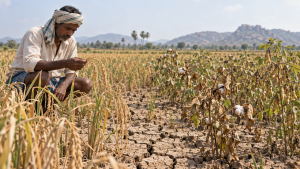
Rainfall deficits and water shortages linked to the continuing El Niño effect and drought conditions are stressing kharif crops across Andhra Pradesh, according to an agriculture department assessment reported on 14 September 2026. The department recorded a 51% rainfall deficit since the kharif season began; a separate measure for the period from 1 June to September put the average deficit at 54.2%.
Crops face widespread moisture stress
The mid-September assessment estimated that 2.44 lakh hectares of cultivated land were severely affected. Crops on 41,474 hectares were severely wilting, 10,582 hectares had dried up completely and 1,92,387 hectares faced severe moisture stress. Reported crop impacts included paddy across 18,000 hectares, cotton across 73,733 hectares and pigeon pea across 74,301 hectares.
Paddy acreage and water shortages
Kharif paddy area in 2026 was estimated at 12.01 lakh hectares, about 1.90 lakh hectares below the previous year's 13.91 lakh hectares. The rainfall deficit reduced water levels in major reservoirs. In several regions, farmers used oil engines to draw limited water from ponds, canals, streams, tanks and wells to protect crops.
Important Facts for Exams
- Kharif calendar: Kharif crops are generally sown with the monsoon’s first rains and harvested as the monsoon ends, usually in October–November.
- Rainfall timing: Kharif yields depend on both the amount and timing of rain; excessive rain, shortage or badly timed showers can each damage the season’s crop.
- Water-saving paddy method: Rice cultivation can use alternate wetting and drying, a water-saving method relevant where irrigation supplies are scarce.
| Related | |
|---|---|