“To ensure effective implementation of policies addressing water, sanitation and hygiene needs the identification of the beneficiary segments is to be synchronized with the anticipated outcomes.” Examine the statement in the context of the WASH scheme. (UPSC 2017)
The statement is valid because WASH works best when benefits are matched to the needs of specific groups. Uniform asset creation alone does not ensure safe water, hygiene behaviour or better health outcomes.
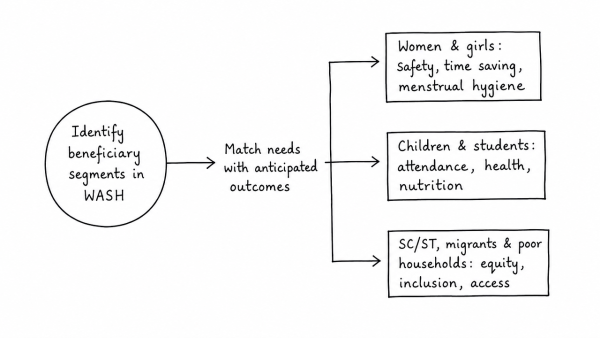
- Women and girls: Targeting them reduces time spent fetching water, improves safety, and supports menstrual hygiene. Women’s representation in village water committees strengthens local ownership.
- Children and students: School WASH improves attendance, reduces disease, and supports nutrition. The focus must be on use, cleanliness and maintenance, not only on toilets or taps.
- SC/ST, migrants and poor households: Community sanitation complexes and household connections in deprived settlements reduce exclusion and health expenditure.
- Climate-vulnerable areas: In drought-prone or contaminated zones, water supply must be linked with recharge, greywater management and source protection.
Thus, beneficiary identification should be synchronised with expected outcomes such as dignity, health, inclusion and sustainability. This makes WASH delivery more equitable, efficient and durable.
Originally written on
August 31, 2026
and last modified on
August 31, 2026.