JANANI Digital Platform Launched for Maternal Health
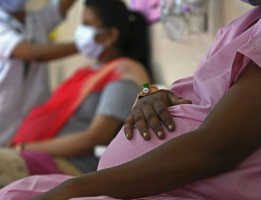
JANANI is a digital healthcare platform launched by the Union Ministry of Health and Family Welfare on 7 May 2026 in New Delhi. The acronym JANANI stands for Journey of Antenatal, Natal and Neonatal Integrated Care. The platform is designed for maternal and child health services, real-time monitoring, and digital record management across India.
JANANI and the RCH Portal
JANANI is an upgraded version of the Reproductive and Child Health portal. The platform is intended to create long-term digital health records for women during their reproductive years. It supports continuity of records for pregnant women, mothers, and newborns through a single digital system.
Digital Features and Integration
JANANI includes QR-based digital Mother and Child Health cards, automated alerts for high-risk pregnancies, due date reminders, and real-time dashboards for health officials. The platform is integrated with U-WIN and POSHAN Abhiyaan, which are national systems linked to immunisation and nutrition services. Beneficiary registration uses ABHA, Aadhaar verification, and mobile-based systems.
Coverage and Beneficiary Data
As of 7 May 2026, JANANI had registered 1.34 crore beneficiaries. The platform had recorded more than 30 lakh pregnant women, generated over 30 lakh digital health cards, and completed more than one lakh biometric verifications.
Important Facts for Exams
- ABHA stands for Ayushman Bharat Health Account and is used for digital health record linkage in India.
- U-WIN is a digital platform associated with immunisation services under India’s public health system.
- POSHAN Abhiyaan is India’s flagship nutrition mission for women and children.
- The Reproductive and Child Health programme is part of India’s maternal and child health framework.
Maternal and Child Health in India
Maternal and child health services in India cover antenatal care, institutional delivery, postnatal care, immunisation, and nutrition support. Digital health platforms in this sector use beneficiary databases, biometric verification, and mobile records for service delivery.
| Related | |
|---|---|