ISRO Tests CE20 Engine at 22-Tonne Thrust
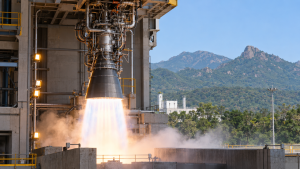
The Indian Space Research Organisation (ISRO) conducted a 165-second sea-level hot test of its CE20 cryogenic engine at 22-tonne thrust on 10 March 2026. The test took place at the ISRO Propulsion Complex in Mahendragiri, Tamil Nadu.
Test details and purpose
ISRO used a Nozzle Protection System (NPS) and a multi-element igniter during the test. Earlier sea-level tests of the CE20 engine using the NPS had been conducted at 19-tonne thrust. The development is part of ISRO’s efforts to increase the payload capacity of its LVM3 launch vehicle for future missions.
Important Facts for Exams
- Gas-generator cycle: The CE-20 was India’s first cryogenic engine to use a gas-generator cycle, a design feature distinguishing it from earlier Indian cryogenic engines.
- Variable thrust: The CE-20 operates between 180 and 220 kN and can be set to fixed thrust values within that range.
- Propellant combustion: Its combustion chamber burns liquid hydrogen with liquid oxygen at 6 MPa, using an engine mixture ratio of 5.05.
Originally written on
March 14, 2026
and last modified on
November 19, 2026.
| Related | |
|---|---|