India Sets Shelf-Life Rules for Imported Medicines
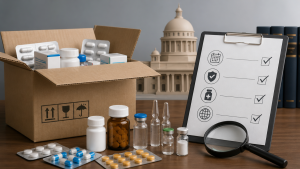
The Central Government brought the Drugs (Thirteenth Amendment) Rules, 2026 into force on 28 October 2026. Issued through the Ministry of Health and Family Welfare, the amendment changes Rule 31 of the Drugs Rules, 1945, which governs the import of drugs.
Minimum shelf life and exemptions
For most imported drugs, Indian licensing authorities cannot permit import if less than 12 months of residual shelf life remains on the date of import. This replaces the earlier requirement that more than 60% of the drug’s approved shelf life remain.
Biological drugs and radiopharmaceuticals have a separate threshold: they may be imported if at least 60% of their labelled shelf life remains.
Consultation and stated objectives
The draft changes were published for public consultation on 22 June 2026, inviting objections and suggestions. The final amendment followed consultation with the Drugs Technical Advisory Board and public feedback. The Government said the changes aim to ease imports, simplify regulation, improve supply-chain efficiency and reduce wastage, while ensuring medicines have adequate usable shelf life before expiry.
Important Facts for Exams
- Quality-based shelf life: Shelf life is the recommended maximum storage period during which a specified proportion of goods remains acceptable under expected distribution, storage and display conditions.
- Medicine expiry guarantee: A pharmaceutical expiration date specifies the date until which its manufacturer guarantees the drug’s full potency and safety.
- Biological product origins: Biopharmaceuticals may be manufactured from, extracted from or semisynthesised from biological sources.
| Related | |
|---|---|