India EV Battery Demand May Reach 200 GWh by 2032
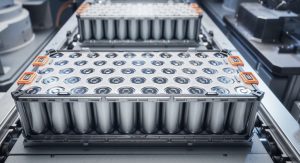
India’s electric vehicle battery demand is projected to rise from 20 GWh in 2025 to 200 GWh by 2032. The estimate was placed in a study linked to the Indian Energy Alliance and Customized Energy Solutions, and the study is scheduled for release at the 12th India Energy Storage Week in New Delhi from 8 to 10 July.
EV Battery Demand in India
The projected rise from 20 GWh to 200 GWh represents a tenfold increase over seven years. GWh, or gigawatt-hour, is a unit used to measure large-scale electrical energy storage and battery capacity.
India’s EV Market Structure
India’s EV sales crossed 2.5 million units in 2025. Electric two-wheelers accounted for 1.5 million units, and electric three-wheelers accounted for 0.7 million units in the same year. Electric two-wheelers remain the largest volume segment in India’s EV market. Passenger electric cars and light commercial fleets are expected to form the next phase of demand growth.
Battery Chemistry and Motor Technologies
NMC, or nickel manganese cobalt, currently holds a 70 per cent market share in the electric two-wheeler battery segment. LFP, or lithium iron phosphate, is gaining market share in other EV segments. The study also covers LMFP, solid-state, sodium-ion, and other cell technologies through 2032. In motor technology, BLDC motors account for 71 per cent of the two-wheeler market, while PMSM motors hold more than 90 per cent market share in electric passenger vehicles.
Important Facts for Exams
- GWh stands for gigawatt-hour and is used to measure battery energy capacity.
- NMC stands for nickel manganese cobalt, and LFP stands for lithium iron phosphate.
- BLDC stands for brushless direct current motor, and PMSM stands for permanent magnet synchronous motor.
- India Energy Storage Week is a platform linked to energy storage and battery industry discussions.
Supply Chain and Localisation
The study places emphasis on component localisation and supply chain development in India’s EV ecosystem. The report also covers battery demand forecasts, component manufacturing trends, and strategic outlook through 2034.
| Related | |
|---|---|