India Estimates 300 GW Peak Power Demand Next Year
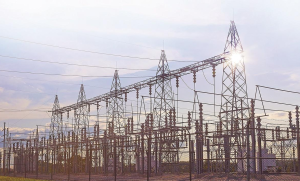
India’s peak electricity demand is projected to reach 300 GW in the fiscal year 2027, after touching 271 GW in May 2026. The country’s available generation capacity has risen to 284 GW, while battery energy storage system capacity has increased to 8.7 GWh in the first half of 2026.
Peak Electricity Demand in India
India measures peak power demand as the highest electricity load recorded on the grid during a specific period, usually a day, month, or year. The 300 GW estimate for FY2027 places the figure above the 271 GW peak recorded by May 2026. Electricity demand in India is linked to industrial activity, household consumption, commercial use, and the expansion of digital infrastructure. Data centres, artificial intelligence infrastructure, and electric vehicles are among the major sectors associated with the latest demand projection.
Generation Capacity and Grid Planning
Installed generation capacity refers to the maximum electricity output that power plants can supply under normal conditions. India’s available generation capacity of 284 GW is currently sufficient to meet the recorded peak demand of 271 GW. The gap between peak demand and available capacity is a standard planning concern in power systems. Grid operators and policy makers use such estimates to plan generation additions, transmission upgrades, and reserve margins.
Energy Storage Systems in India
Battery energy storage system, or BESS, is a technology that stores electricity in rechargeable batteries for later use. Pumped hydro storage is another form of grid-scale storage that uses water reservoirs at different elevations to store and release energy. The India Energy Storage Alliance and Customized Energy Solutions estimated that India’s BESS requirement may rise to 888 GWh by FY2035-36 from about 1 GWh at present. The Central Electricity Authority has set a target of around 160 GW of storage capacity by 2035, combining battery storage and pumped hydro storage.
Important Facts for Exams
- The Central Electricity Authority is a statutory body under the Ministry of Power.
- Peak power demand is a key indicator used in electricity planning and grid management.
- Battery energy storage systems help balance variable renewable energy such as solar and wind power.
- Pumped hydro storage remains one of the largest forms of long-duration energy storage worldwide.
India’s installed BESS capacity increased eleven-fold in the first half of 2026. It is expected to cross 10 GWh by the end of 2026.
| Related | |
|---|---|