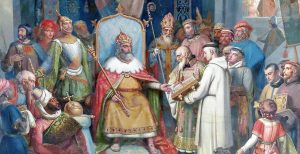
Page-6 of GS-I: Modern World History
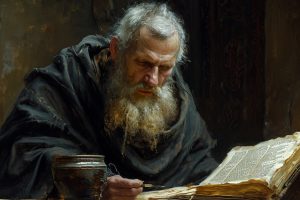
Adam of Bremen
Adam of Bremen was a significant German chronicler of the eleventh century whose works provide essential insight into the political, ecclesiastical, and geographical landscape of Northern Europe during...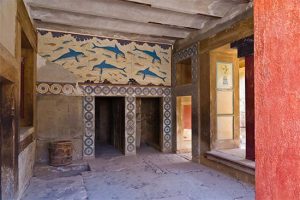
Aegean civilization
Aegean civilization is the collective term for the Bronze Age cultures that flourished around the Aegean Sea, encompassing Crete, the Cycladic islands, and the Greek mainland. These interconnected...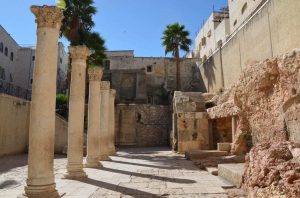
Aelia Capitolina
Aelia Capitolina was a Roman colonia founded in 129–130 CE on the ruins of Jerusalem during the reign of Emperor Hadrian. Its establishment marked a decisive transformation of...
Afghans
Afghans are the citizens and nationals of Afghanistan, including those living abroad in the Afghan diaspora. The population of the country is ethnically and linguistically diverse, with Pashtuns,...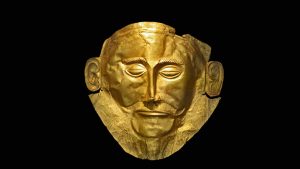
Agamemnon
Agamemnon (Ἀγαμέμνων), a central figure of Greek mythology, was king of Mycenae and the commander of the Achaean forces during the Trojan War. A member of the ill-fated...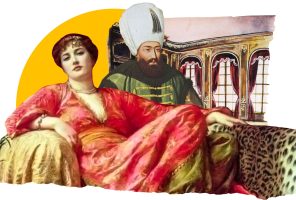
Ahmed I
Ahmed I (18 April 1590 – 22 November 1617) was the fourteenth sultan of the Ottoman Empire, reigning from 1603 until his death in 1617. His rule is...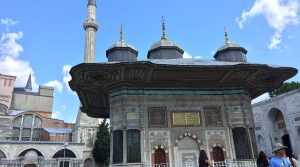
Ahmed III
Ahmed III (30 December 1673 – 1 July 1736) was the twenty-third sultan of the Ottoman Empire, reigning from 1703 to 1730. His rule was marked by political...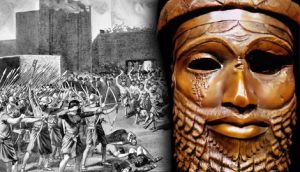
Akkadian Empire
The Akkadian Empire, often described as the earliest known territorial empire in ancient Mesopotamia, emerged in the late third millennium BC and unified speakers of Akkadian and Sumerian...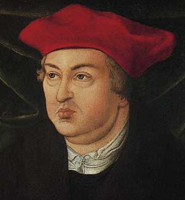
Albert of Brandenburg
Albert of Brandenburg (28 June 1490 – 24 September 1545) was a German cardinal of the Catholic Church, Prince-Elector and Archbishop of Mainz (1514–1545), and Archbishop of Magdeburg...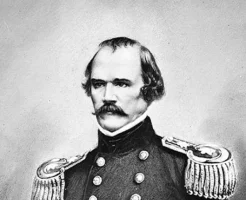
Albert Sidney Johnston
Albert Sidney Johnston (2 February 1803 – 6 April 1862) was an American military officer whose thirty-four-year career spanned service in three different armies: the Texian Army, the...
Alcidamas
Alcidamas of Elaea in Aeolis was a Greek sophist and rhetorician active during the late fifth and early fourth centuries BC. A direct pupil and successor of the...