Page-5 of GS-I: Modern World History
Ancien Régime
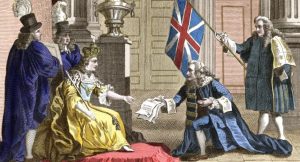
The Ancien Régime refers to the political and social system that prevailed in France before the French Revolution of 1789. The term, which translates to “Old Order” or...Austrian State Treaty (1955)
The Austrian State Treaty, signed on 15 May 1955, was a landmark international agreement that re-established Austria as a free, independent, and sovereign state after its occupation by...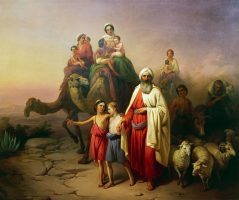
Abraham
Abraham is the central patriarchal figure of the Abrahamic religions and occupies a foundational position in Judaism, Christianity, and Islam. Revered as a model of faith, obedience, and...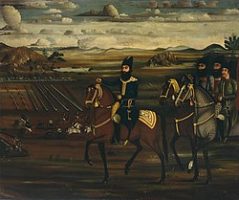
Abbas Mirza
Abbas Mirza (26 August 1789 – 25 October 1833) was crown prince of Qajar Iran and one of the most prominent statesmen and military reformers of the early...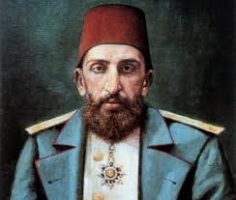
Abdul Hamid I
Abdulhamid I (20 March 1725 – 7 April 1789) was the twenty-seventh sultan of the Ottoman Empire, ruling from 1774 until his death in 1789. His reign unfolded...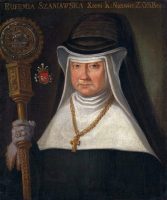
Abbess
An abbess (abbatissa in Latin) is the female superior of a community of nuns in an abbey. Her office, long established in Western and Eastern Christian monastic traditions,...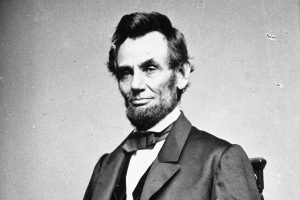
Abraham Lincoln
Abraham Lincoln (February 12, 1809 – April 15, 1865) was the 16th president of the United States, serving from 1861 until his assassination in 1865. He led the...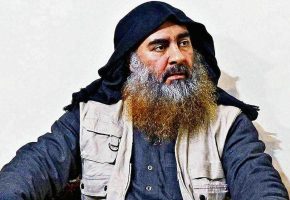
Abu Bakr
Abd Allah ibn Abi Quhafa (c. 573 – 23 August 634), best known by his kunya Abu Bakr, was a leading companion of the Prophet Muhammad and the...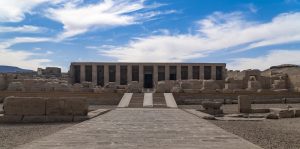
Abydos Egypt
Abydos (Ancient Egyptian: Abdju; Arabic: Abdu) is one of the oldest and most significant cities of ancient Egypt, serving as the major cult centre of Osiris and a...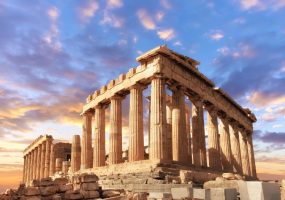
Acropolis
An acropolis was the fortified upper settlement of an ancient Greek city, typically built on a steep, elevated hill chosen for its natural defensive advantages. Although the term...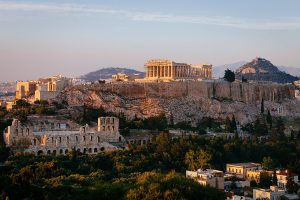
Acropolis of Athens
The Acropolis of Athens is an ancient citadel situated on a prominent rocky plateau rising above the city of Athens. It contains the remains of several monumental structures...