Delhi Launches Delhi Next Civic-Tech Innovation Programme
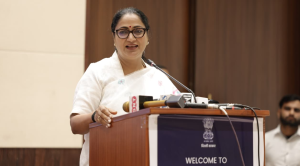
Delhi launched the ‘Delhi Next – Code, Create and Change’ programme on 2 July 2026 as a civic-tech innovation initiative for government departments in the National Capital Territory of Delhi. The programme plans to pilot 60 projects for urban problem-solving through technology-based solutions.
Civic-Tech Innovation
Civic technology refers to digital tools, software, and data-based systems used for public services, municipal administration, and citizen-facing governance. In India, civic-tech applications commonly cover traffic management, waterlogging, waste management, digital grievance systems, and urban mobility services.
Programme Design and Participation
The initiative brings together students, start-ups, researchers, educational institutions, and innovators for technology-led solutions to civic issues. More than 2.5 lakh participants registered for the programme, and the outreach campaign reached over one crore young people across the country. An expert committee examined more than 5,000 technical proposals and shortlisted 1,000 participants for the next stage. The final 60 teams presented live demonstrations before the Chief Minister.
Priority Urban Sectors
The programme covers traffic management, waterlogging, smart parking, air pollution, waste management, electric vehicle ecosystems, digital governance, and citizen grievance redressal. These sectors are linked with urban administration, municipal services, and public infrastructure management in large Indian cities.
Implementation Framework
Selected teams will receive departmental guidance to develop a minimum viable product, which is a basic working version of a product used for testing and refinement. The programme also includes mentorship, pilot testing opportunities, and a roadmap for integration into government functioning.
Important Facts for Exams
- Rekha Gupta is the Chief Minister of Delhi.
- Delhi is a Union Territory with a Legislative Assembly and a special administrative structure under the Constitution of India.
- A hackathon is a time-bound event in which participants develop technical solutions, usually in teams.
- A minimum viable product is the first functional version of a product used for testing core features.
Urban Governance Context
Urban governance in India involves municipal bodies, state departments, and public agencies responsible for services such as roads, drainage, sanitation, and transport. Digital governance uses information technology for service delivery, record management, and citizen interaction.
| Related | |
|---|---|