Bombay High Court Seeks Melghat Malnutrition Roadmap
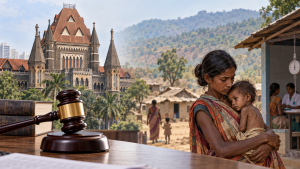
On 19 January 2026, the Bombay High Court directed the Maharashtra government to prepare a roadmap to address malnutrition and child deaths in the Melghat tribal region, urging a “zero-tolerance” approach.
Petitions on deaths in Melghat
A division bench of Justices Ravindra Ghuge and Abhay Mantri heard public interest litigations concerning deaths among children, pregnant women and lactating mothers. The court expressed strong displeasure with the state administration over its perceived failure to curb child mortality linked to malnutrition. Petitioners said more than 115 infants had died from malnutrition in the preceding year, alongside significant numbers of stillbirths and deaths among pregnant and lactating mothers. The state argued that not all deaths were directly attributable to malnutrition and cited other contributing factors, including early marriages, sometimes at 13 or 14, which can lead to premature and complicated deliveries.
Health services and next hearing
The court urged the government to strengthen primary health centres by deploying experienced gynaecologists and paediatricians alongside newly graduated doctors, and to adopt measures suited to remote areas. It adjourned the matter for further hearing; some reports indicated that the next date was 27 February.
Important Facts for Exams
- PHC outreach network: South Asian primary health centres typically operate through five or six sub-centres, which deliver outreach including immunisation, basic curative care, and maternal and child health services.
- Indian PHC field staff: In India, PHC outreach is delivered by ASHAs or village health nurses, with the designation varying by state.
- Malnutrition categories: Malnutrition encompasses both undernutrition and overnutrition: nutrient deficiency can cause stunting or wasting, while excess may lead to obesity or micronutrient toxicity.
| Related | |
|---|---|