Bombay High Court Rejects Preventive Restrictions on Jarange Protest
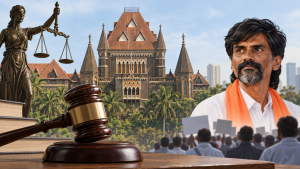
On September 11, 2026, the Bombay High Court declined to issue preventive orders against Maratha reservation activist Manoj Jarange-Patil’s proposed protest in Mumbai, citing the fundamental right to peaceful assembly.
Court’s observations
The court said peaceful protest is a fundamental right in a democracy and that the state should respond through dialogue while maintaining law and order. It held that prohibitory orders could not be based only on apprehension or past experiences when a similar disruptive situation had not arisen.
Petition and protest plans
Mumbai residents Nilesh Dahanukar and Rajesh Dalvi filed the petition. The bench comprised Chief Justice M. C. Tripathi and Justice Advait Sethna. The court directed the Maharashtra government to ensure appropriate medical assistance for Jarange-Patil, who was on hunger strike in Antarwali Sarati village, Jalna district. He had not yet reached Mumbai and the protest had not taken place. A date for the march was to be announced after supporters gathered on September 12.
Important Facts for Exams
- Territorial jurisdiction: The Bombay High Court serves Maharashtra and Goa, as well as the Union territories of Dadra and Nagar Haveli and Daman and Diu.
- Assembly-right limits: Article 19(1)(b) protects citizens’ right to assemble peaceably and without arms; Article 19(3) permits reasonable restrictions for public order or India’s sovereignty and integrity.
- Urgent prohibitory orders: Section 163 of the Bharatiya Nagarik Suraksha Sanhita empowers executive magistrates to issue written urgent orders; ordinarily these last no more than two months, although state governments may extend them.
| Related | |
|---|---|