Andhra Pradesh Pushes Clean Energy Vision at Global Forum
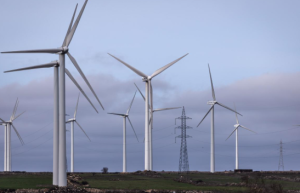
Andhra Pradesh presented its Integrated Clean Energy Policy at the ongoing World Climate Cities Forum in Yeosu, South Korea, highlighting the state’s ambition to become a global clean energy hub. Tirupati Urban Development Authority (TUDA) Chairman C. Divakar Reddy led the delegation and emphasised Chief Minister N. Chandrababu Naidu’s vision of achieving net-zero emissions by 2047 while ensuring reliable and affordable electricity for all consumers.
Focus on Renewable Energy Expansion
The state government is actively promoting renewable energy across multiple sectors, including solar power, wind energy, pumped storage, battery energy storage systems, green hydrogen and biofuel technologies. The Integrated Clean Energy Policy offers incentives to investors and includes a single-window clearance mechanism along with Special Economic Zones (SEZs) to accelerate industrial participation and large-scale clean energy development.
Net-Zero Goal by 2047
The policy aligns with Andhra Pradesh’s broader climate strategy of reducing greenhouse gas emissions and supporting India’s long-term sustainability goals. The state aims to position itself as a leader in clean energy manufacturing and green investments. By linking renewable expansion with industrial growth, the government seeks both economic development and environmental protection through long-term energy transition planning.
Climate-Resilient Villages Under TUDA
TUDA is also planning to develop climate-resilient villages within its jurisdiction by coordinating with multiple departments. Chairman Divakar Reddy highlighted Kandulavaripalli gram panchayat as an example where a Climate Action Plan is already being implemented. These local efforts focus on strengthening resilience against climate risks while improving sustainable infrastructure and rural environmental planning.
Important Facts for Exams
- Net-zero emissions means balancing greenhouse gas emissions with removal or offset of emissions.
- Green hydrogen is produced using renewable electricity and water electrolysis without fossil fuels.
- Pumped storage hydropower is used for large-scale electricity storage by moving water between reservoirs.
- SEZ stands for Special Economic Zone, offering policy support and tax benefits for industries.
Tirupati’s Urban Climate Challenge
The TUDA delegation also discussed greenhouse gas emissions within Tirupati municipal limits. With nearly 18 million visitors every year, the city faces major pressure on utilities, transport and public services, especially during festival seasons. Managing this peak demand while reducing emissions is a major urban climate challenge. Officials stressed that sustainable planning for pilgrim cities like Tirupati is essential for balancing development with environmental responsibility.
| Related | |
|---|---|