Bank deposits form the backbone of the Indian financial system, representing the primary source of funds for banks and a crucial component of household and corporate savings. They...
The Reserve Bank of India (RBI) is the central bank of the country and performs a wide range of functions to ensure monetary stability, financial stability, and the...
The Financial Activities Tax (FAT) is a fiscal measure designed to impose taxation on the profits and remunerations of financial institutions, particularly targeting those activities that may contribute...
Wilful default refers to the deliberate and intentional failure of a borrower to repay a loan or meet contractual financial obligations despite having the capacity to do so....
Classification of the NPAs: The above is a general definition of the Non Performing Assets. Here, please note that the Banks are required to classify nonperforming assets further...
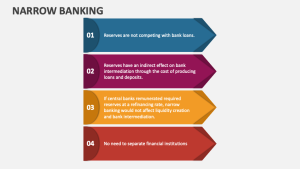
Narrow Banking refers to a financial system or model in which banks are restricted primarily to holding safe and liquid assets, such as government securities, and are limited...
The much-awaited take-out financing products from India Infrastructure Finance Co (IIFCL) have recently started picking up. On October 12, 2010 Finance Minister Pranab Mukherjee said that: “Development of...
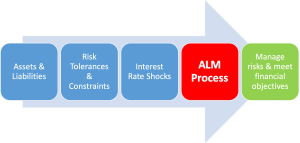
Asset–Liability Management (ALM) is a strategic financial management process that aims to balance an organisation’s assets and liabilities to achieve financial stability and long-term profitability. It is a...
Bank ratings in India serve as a key indicator of the financial health, stability, and creditworthiness of banks and other financial institutions. These ratings are assigned by authorised...
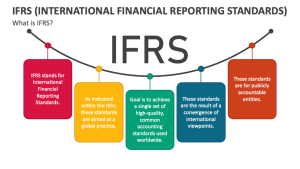
The International Financial Reporting Standards (IFRS) are a set of globally recognised accounting standards developed by the International Accounting Standards Board (IASB). These standards provide a common framework...
International Financial Reporting Standards (IFRS) are a globally recognised set of accounting principles and guidelines designed to ensure transparency, consistency, and comparability in the preparation and presentation of...
Banking risks refer to the various forms of uncertainty and potential losses that financial institutions face in the course of their operations. These risks arise from both internal...