Wadia Institute to Monitor Uttarakhand Glacial Lakes
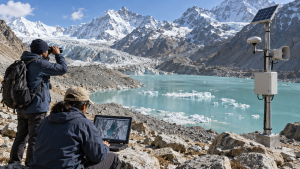
On 19 January 2026, the Uttarakhand government named the Wadia Institute of Himalayan Geology (WIHG) the nodal agency for studying and monitoring sensitive and highly sensitive glacial lakes in the state. The decision was made by the Chief Secretary of Uttarakhand, and WIHG agreed to take on the role.
Coordination with Central Agencies
WIHG is expected to coordinate with the Central Water Commission, the National Institute of Hydrology and the India Meteorological Department for the work.
Sensors and Sirens Planned
Plans were in place to install sensors and sirens at glacial lakes. At the time of the announcement, WIHG was considering their specifications.
Important Facts for Exams
- Institutional remit: WIHG is an autonomous natural-resources research institute for Himalayan geology under the Department of Science and Technology.
- Field network: WIHG has three field stations, including Dokriani Bamak Glacier Station, as well as sites at Naddi-Dharamshala and Itanagar.
- Displacement-wave trigger: An avalanche or landslide entering a glacial lake can displace water into an overtopping wave, potentially breaching a natural dam downstream.
- Moraine-dam failure: Moraine-dammed lakes are retained by loose glacial debris; seepage can erode this material internally and progressively weaken the natural barrier.
Originally written on
January 19, 2026
and last modified on
November 19, 2026.
| Related | |
|---|---|