Prevention of Insults to National Honour Act, 1971
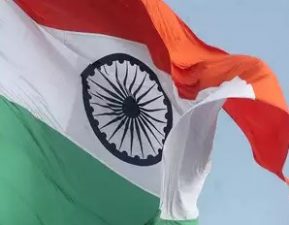
The Prevention of Insults to National Honour Act was enacted in December 1971. The primary objective of this legislation is to prevent disrespect directed toward the Constitution of India, the National Flag, and the National Anthem. The statute applies across the entire territory of India and extends to all Indian citizens outside the country.
Statutory Scope
The legislation criminalizes specific overt acts of intentional disrespect in public places. It safeguards the sovereignty, unity, integrity, and dignity of the Republic of India. The law operates alongside constitutional duties and specific executive codes governing national symbols.
Key Provisions and Penalties
Offenses Involving the National Flag
Section 2 of the Act deals with insults to the Indian National Flag and the Constitution of India. It penalizes public burning, mutilation, defacement, defilement, disfiguring, destruction, or trampling upon the National Flag.
Offenses Involving the Constitution
Section 2 also covers the Constitution of India. Any form of public burning, mutilation, or destruction of the Constitution is punishable under this section.
Offenses Involving the National Anthem
Section 3 prohibits intentional prevention of the singing of the National Anthem. It also penalizes causing disturbances to any assembly engaged in singing the National Anthem.
Punishments and Judicial Consequences
- Imprisonment Term: Conviction under the Act carries a punishment of rigorous or simple imprisonment for a term extending up to three years.
- Fine: Offenders may also be subjected to a monetary fine, either alongside imprisonment or independently.
- Disqualification from Elections: Under the Representation of the People Act, a conviction under the Prevention of Insults to National Honour Act can lead to disqualification from contesting elections for a specified period.
| National Symbol | Covered Statutory Actions | Maximum Penal Provision |
| National Flag | Burning, defacing, destroying, trampling | Up to 3 years imprisonment, fine, or both |
| Constitution of India | Burning, mutilating, destroying | Up to 3 years imprisonment, fine, or both |
| National Anthem | Preventing singing, causing assembly disturbance | Up to 3 years imprisonment, fine, or both |
Statutory Exceptions and Clarifications
Distinction Between Accidental Damage and Intentional Insult
The Act requires proof of deliberate intent to insult or desecrate. Accidental damage, normal wear and tear, or improper disposal due to lack of awareness generally do not attract penal consequences under this statute.
Interaction with Other Codes
- Flag Code of India: The Flag Code contains executive guidelines on the display and use of the National Flag. While the Flag Code is non-statutory in certain aspects, violations involving public disrespect often trigger the penal provisions of the 1971 Act.
- Fundamental Duties: Article 51A(a) of the Constitution obligates every citizen to abide by the Constitution and respect its ideals and institutions, the National Flag, and the National Anthem.
Important Facts and Judicial Context
Jurisdiction and Trial Procedure
Offenses under the Act are cognizable, meaning police can arrest an accused without a warrant in certain circumstances. Trials are conducted in ordinary criminal courts following the provisions of the Code of Criminal Procedure.
Judicial Precedents
- Bijoe Emmanuel v. State of Kerala (1986): The Supreme Court held that standing respectfully during the rendition of the National Anthem is mandatory, but physically singing it is not compulsory if a person has genuine religious or conscientious objections, provided they show proper respect and do not cause a disturbance.
- Union of India v. Naveen Jindal (2004): The Supreme Court ruled that hoisting the National Flag is a Fundamental Right of citizens under Article 19(1)(a) of the Constitution, subject to reasonable restrictions and the dignity of the flag as outlined in the 1971 Act and the Flag Code.
| Related | |
|---|---|




![Rashtriya Kisan Diwas [National Farmers Day] : December 23](https://www.gktoday.in/wp-content/uploads/2020/12/Choudhary-charan-singh-150x150.jpg)