Kannada scholar K. V. Narayana dies
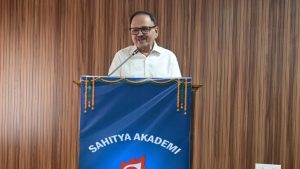
Kannada scholar K. V. Narayana, known as KVN, died in Bengaluru on November 6, 2026. He was a linguist, literary critic and cultural thinker. Born in Kampalapura, in Mysuru district, on October 20, 1948, he taught at Bengaluru’s National College and served at Hampi Kannada University as a professor, registrar, dean and acting vice-chancellor. He also chaired the Kuvempu Bhasha Bharati Authority. His works include “Bēru, Kanda, Chiguru”, “Bhasheya Suttamutta” and “Nudigala Alivu”. He received the Karnataka Rajyotsava Award in 2010 and the Central Sahitya Akademi Award in 2024 for “Nudigala Alivu”. The sources give conflicting ages, so his age is not included.
Notable Points
- Kannada verse forms and literary guidance: Kannada forms included tripadi, shatpadi, ragale and sangatya. Raghavanka introduced shatpadi in Harishchandra Kavya, dated to about 1200. Kavirajamarga gave corrective examples for versification and discussed bedande, chattana and gadyakatha styles.
- Vachana tradition: Vachana is a native Kannada free-verse form. Devotees gathered at the Anubhava Mantapa in Kalyani to discuss mystical experiences and express devotion through vachana poems, described as rhythmic, epigrammatic and satirical prose.
- Kannada publishing and language planning: Hermann Mögling published Mangalore Samachara, identified as the first Kannada newspaper, in 1843. Mysuru Vrittanta Bodhini, published by Bhashyam Bhashyacharya around the same time, is identified as the first Kannada periodical. Proposals at the 1915 conference that founded the Karnataka Sahitya Parishat included common written Kannada and Kannada translations of scientific terms.
Originally written on
November 14, 2026
and last modified on
November 14, 2026.
| Related | |
|---|---|